Having Jet A-1 under contract doesn’t mean it will be in the tank when you need it. For regional airports, reliable Jet A-1 fuel supply depends on how well sourcing, transportation, inventory, and demand planning hold up when conditions change.
In North America, Jet A is the more commonly used grade, while Jet A-1 is the standard across much of the rest of the world. The supply-planning principles discussed here apply to both.
World Fuel’s Mark Atherton, Senior Director, Business Development, Europe Aviation & Land, Fuel Supply, explains:
“For a regional airport, the real test of a fuel supply program isn’t what happens when everything is normal. It’s what happens when demand changes, or part of the supply chain becomes constrained. You want to understand your options before the airport is working against the clock.”
What airport operators need to know
- Reliable aviation fuel supply depends on sourcing, transportation, inventory, and demand planning working together.
- Good inventory visibility buys time to respond and helps avoid shortages, emergency deliveries, and excess carrying costs.
- Plan for demand spikes from seasonal traffic, diversions, military activity, emergency operations, special events, and business growth.
- Disruptions far from the airport, including refinery outages, transportation constraints, and geopolitical events, can still affect local supply.
- Backup sourcing and transportation options are most useful when they have been considered before a disruption.
- The right supplier should make regional airport fuel management easier for lean teams.
Why Jet A-1 fuel supply resilience matters for regional airports
Regional airports can have less room for error than major hubs.
Storage may be limited. Delivery routes may be longer. Transportation options may be fewer. Lean teams, whether airport staff, fuel farm managers, or an FBO, may be managing fuel alongside several other responsibilities.
A disruption can quickly become a problem.
Take a regional airport on a normal delivery cycle when severe weather delays inbound trucks. Aircraft refueling continues as normal, so inventory keeps falling while the next delivery moves further out. If the airport and supplier catch the issue early, they may still have time to adjust delivery timing, transportation, or sourcing. Once inventory gets tight, fewer choices remain.
Building a resilient Jet A-1 fuel supply strategy
Good fuel planning starts with a clear view of inventory, expected consumption, and delivery lead times.
Without that, an airport may not realize that demand is moving away from plan until there is very little time left to react.
Visibility cuts both ways. Too little inventory creates shortage risk and emergency deliveries. Too much ties up cash and available storage.
Airports also need to understand how Jet A-1 fuel actually gets to the field. That means knowing the normal source, transportation method, expected delivery timing, and what alternatives may be available if a terminal, route, or delivery schedule is disrupted.
Demand planning should reflect more than historical averages. Seasonal traffic, business growth, new services, diversions, military activity, emergency operations, and special events can all affect consumption.
Market conditions add another layer. Refinery outages or maintenance, terminal constraints, labor disruptions, transportation shortages, and regional supply changes may affect availability before the impact is obvious at the airport.
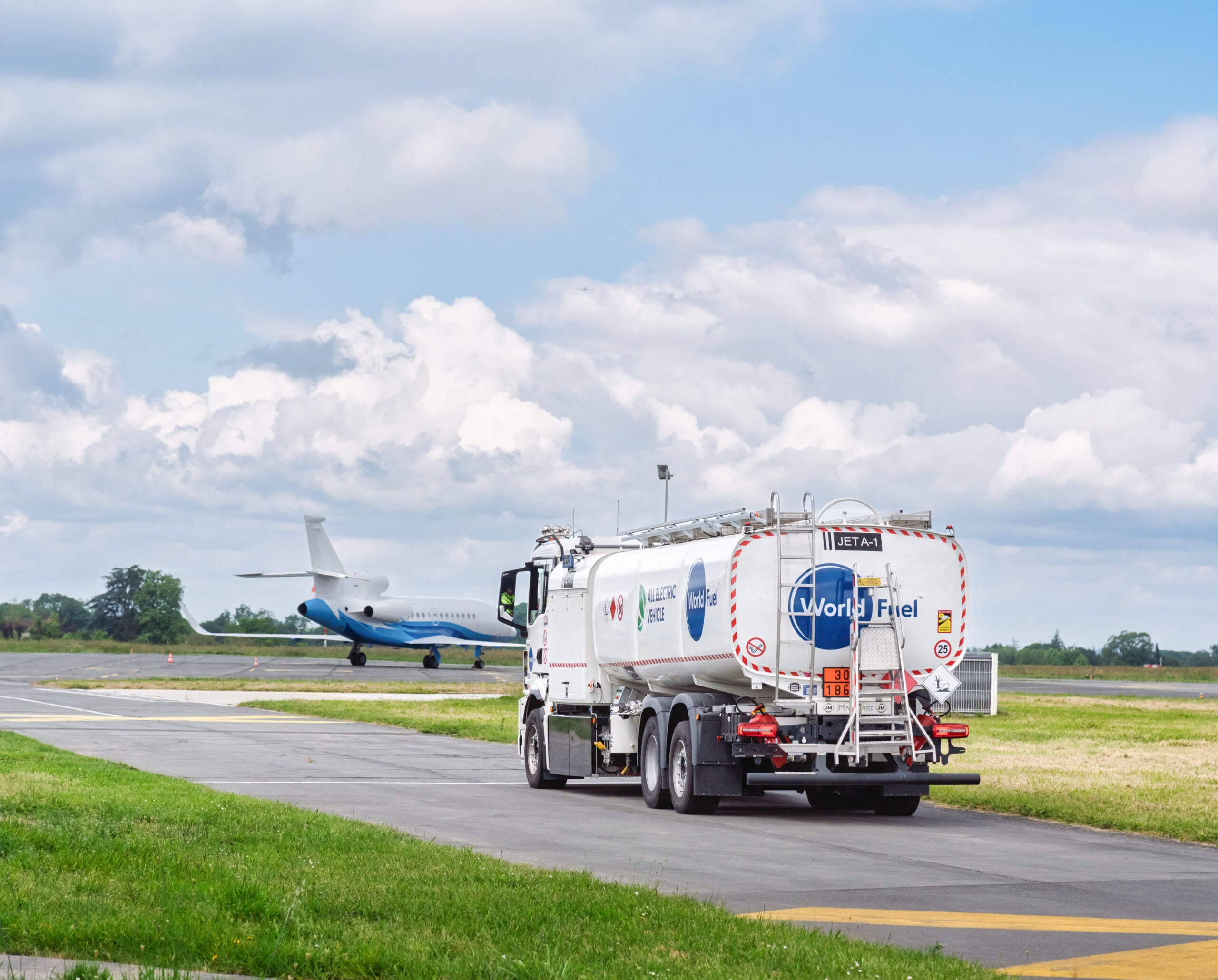
A small regional airport in northern France provides a good example of how quickly the normal pattern can change. Around a major annual military commemoration, approximately half of the airport’s annual Jet A-1 volume can be delivered within the period immediately surrounding the event.
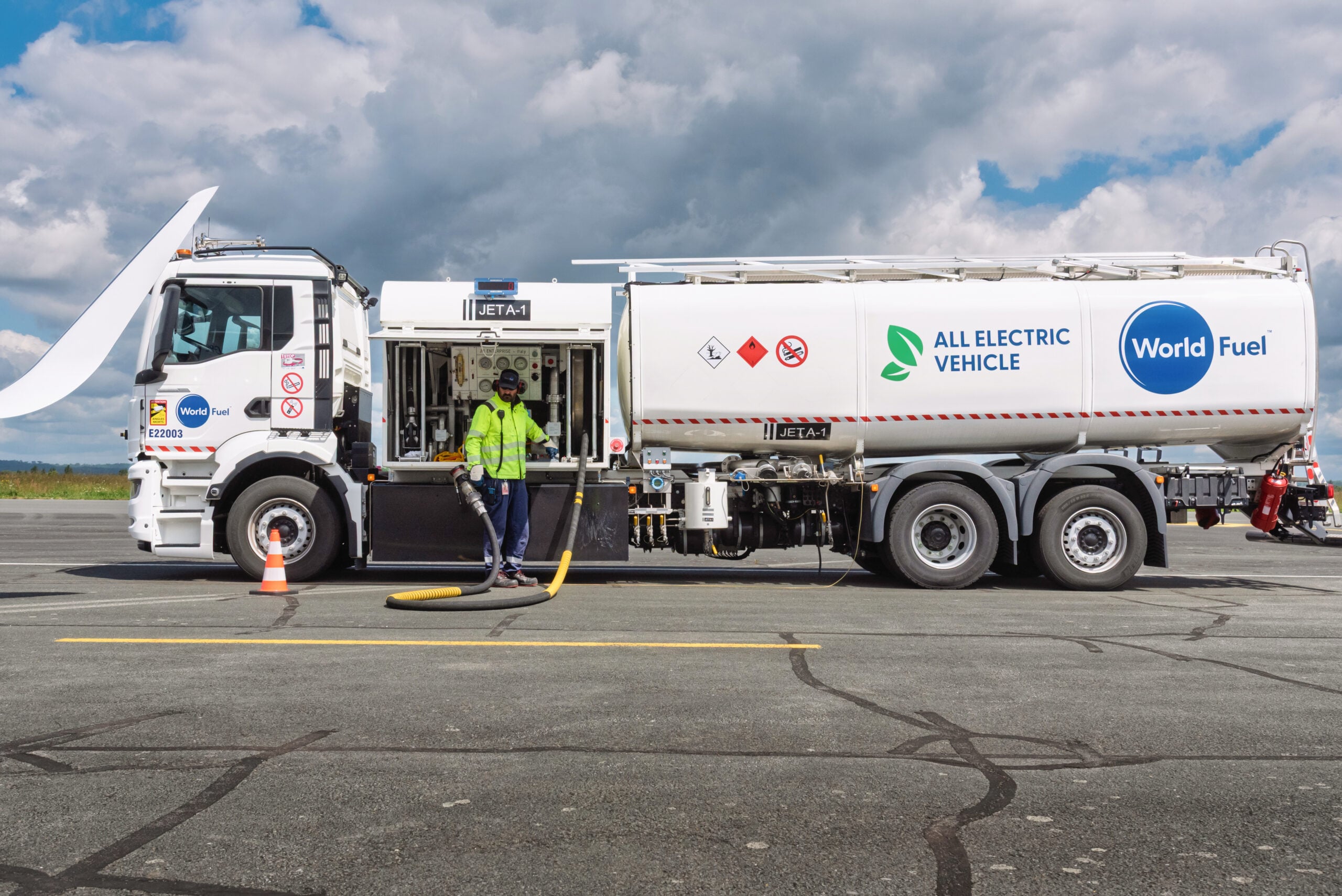
That creates pressure on both airport storage and the supply chain. World Fuel plans supply from multiple terminals and has to respond quickly as requirements change. When permanent tank capacity is not enough to create the required ullage, additional storage can be provided through fuel trucks.
The example shows why peak-demand planning needs to consider storage and delivery capacity together. An airport may have enough annual capacity for its normal operation and still face a significant short-term constraint when a large share of demand arrives in a compressed period.
Supplier communication is part of the strategy as well. Airport teams should know who owns escalation, when a change in demand needs to be communicated, and how quickly decisions can be made when the normal plan starts to move off course.
Common fuel supply risks airports should understand
A supply agreement on its own does not protect an airport from disruption. Much of the exposure sits deeper in the aviation fuel supply chain.
Trucks get delayed, or transportation capacity runs short. A refinery or terminal issue affects regional availability. Demand comes in above forecast. An airport may depend heavily on one supplier, terminal, or route. Poor inventory visibility or late escalation can leave the team responding after the practical options have already narrowed.
Geopolitical events can also affect airport fuel supply even when the disruption is far from the airport itself. Changes to refinery output, shipping routes, terminal access, trade flows or regional availability can increase lead times and put pressure on normal supply patterns.
Airport teams should know which supply points, transportation routes and regional markets their fuel program depends on, along with the alternatives available if one of those links becomes constrained.
Questions to ask a Jet A-1 fuel supplier
Price is only one part of Jet A-1 procurement. Useful questions to put to any aviation fuel supplier include:
- Where will our Jet A-1 normally be sourced, and how will it be transported to our airport?
- What happens if the normal source or delivery route is disrupted, and what alternative sourcing or transportation options are available?
- How do you support inventory planning and demand forecasting?
- How much notice do you need for a significant change in demand?
- How are potential supply issues communicated and escalated?
- How do you ensure fuel supplied to our airport is delivered on spec?
- What experience do you have supporting regional airports with requirements similar to ours?
- How much day-to-day airport fuel logistics coordination will our team need to manage?
That last question carries real weight for lean teams. A resilient supply model loses much of its value if it creates a heavy administrative burden.
What good looks like in a fuel supply relationship
From the airport’s side, a strong fuel supply relationship means having a reliable view of inventory and expected consumption, hearing about potential supply issues early, and having a plan for periods when activity increases. It also means clear escalation paths, established contingency arrangements, and logistics support that can adjust as operating conditions change.
The supply model should balance continuity against storage limits, working capital and the team’s day-to-day capacity.
Most of all, the airport team should be able to spend its time running the operation rather than chasing deliveries.
How World Fuel supports regional airport fuel operations
World Fuel coordinates aviation fuel sourcing, inventory, logistics, and delivery around each airport’s requirements and infrastructure. That includes established supplier relationships, delivery coordination, and support when demand shifts or normal supply is disrupted.
Programs are built around factors such as airport location, volume, storage and operating requirements. Market and supply-chain insight helps airport teams identify potential constraints earlier and adjust supply planning accordingly.
World Fuel’s aviation network spans more than 4,000 airports across more than 200 countries and territories, providing a broader supply and operational network when local requirements or market conditions change.
“We want to make sure the airport isn’t starting from zero when something changes,” said Atherton. “The more we understand about the operation, the demand profile and the potential constraints beforehand, the better positioned everyone is to respond.”
For regional airports, a resilient Jet A-1 fuel program should be able to absorb changes in demand or supply without creating unnecessary work for the airport team.
Discover more
Article | 07 July 2026
2026 Belgian Grand Prix: Business aviation planning considerations