Navigating EU ETS maritime compliance and shipping carbon costs
EU ETS maritime requirements affect your covered emissions, allowance obligations, contracts, and operating costs. World Fuel helps you bring those considerations into allowance planning, bunker fuel procurement, and practical fuel transition decisions.
Turn marine EU ETS requirements into a workable fleet plan
As EU ETS expands across your shipping activity, sustainability, procurement, finance, legal, and operations teams need to work from the same view of voyage scope, emissions data, responsibilities, allowance demand, and carbon cost.
For shipping, the European Union Emissions Trading System is a marine emissions trading framework based on cap and trade. It uses European Union Allowances, or EUAs, to account for covered emissions. Cargo and passenger ships over 5,000 gross tons entered the system from 2024, with different treatment for intra-EU and extra-EU voyages. Methane and nitrous oxide are added from 2026.
To build a workable compliance approach, you need to connect verified emissions, voyage activity, the responsible entity, allowance procurement, contracts, fuel choices, and operating plans. We help you assess carbon exposure, structure allowance planning, and consider bunker fuel and fuel transition options together. Your organisation remains responsible for emissions monitoring, verified reporting, surrendering the required allowances, and confirming legal and contractual obligations.
Core EU ETS maritime compliance and operational decisions
Define your scope, confirm responsibility, and understand how carbon exposure changes fuel and operating decisions.
Identify the vessels, voyages, port activity, and greenhouse gases included in your exposure.
Cargo and passenger ships over 5,000 gross tons entered EU ETS from 2024, with offshore service vessels of 5,000 gross tons or more scheduled for inclusion from 2027. The framework distinguishes between emissions from intra-EU voyages, extra-EU voyages, and activity in port. Coverage also expands to methane and nitrous oxide from 2026. Mapping your vessels, routes, port calls, fuel consumption, and emissions data gives your teams a clearer starting point for compliance and fuel decisions.

Connect your verified emissions data with the entity responsible for surrendering EUAs.
One EUA represents one tonne of carbon dioxide. Shipping companies must monitor emissions, submit verified annual reporting, and surrender the required allowances. Shipowning companies hold the formal surrender obligation, while operators, charterers, cargo owners, or pool managers may need to purchase and transfer EUAs under their commercial arrangements. Confirm responsibility, registry access, reporting processes, and contractual allocation before setting your marine emissions compliance plan.
Model your carbon exposure alongside fuel, route, operating, and procurement choices.
Your EU ETS exposure and shipping carbon costs depend on covered emissions, the required allowance volume, EUA market prices, fuel emission factors, voyage patterns, and commercial responsibility. No fixed cost applies across every fleet or route. Compare allowance procurement and portfolio approaches with bunker fuel choices, operational measures, and longer-term transition plans. FuelEU Maritime is a related consideration within the broader fuel strategy.

Connected marine fuel and compliance solutions
Future Fuels & Sustainable Marine Fuel Alternatives
Compare alternative fuels, sustainable marine fuel options, and emerging pathways against your vessel, route, infrastructure, availability, certification, and commercial requirements.
Bunker Fuels & LNG
Plan bunker fuel and vessel fuel supply decisions with your voyage needs, market conditions, quality requirements, and operational execution.
Marine Technical Expertise
Bring fuel quality, vessel handling, testing, engineering, and environmental regulation expertise into your fuel and compliance decisions.
Comprehensive risk management for maritime EU ETS exposure
Clarify your carbon exposure
Map your vessels, routes, emissions data, and obligations so your teams can work from a shared view of EU ETS exposure.
Strengthen allowance planning
Connect your allowance demand with purchasing, timing, governance, and portfolio choices.
Compare marine fuel and operational options
Compare alternative fuels, operational measures, and marine decarbonisation options against your commercial and technical constraints.
Align responsibilities across teams
Give sustainability, procurement, finance, and operations a shared framework for decisions and responsibilities.
Compliance exposure
Marine carbon cost and responsibility management
Estimate your shipping carbon costs from verified emissions, route scope, allowance requirements, and commercial responsibility.
Start with your verified emissions, the percentage in scope, the allowance requirement for the compliance year, and current or scenario EUA prices. Then test how route mix, fuel choice, procurement timing, and contractual arrangements change the result. Revisit the estimate as emissions and EUA prices move rather than relying on a fixed per-voyage figure.
When allowance demand and market timing need closer analysis, our specialists can help you evaluate EUA market access, portfolio planning, registry practicalities, market analysis, and longer-term carbon-market outlooks. You remain responsible for monitoring, verification, reporting, surrendering allowances, and confirming the legal and contractual allocation of obligations.
The role of alternative and future fuels
Connect EU ETS exposure with your marine fuel transition strategy

Compare sustainable fuel pathways against carbon accounting, vessel readiness, supply, and operating reality.
Your fuel pathway must fit the vessel, route, and operating profile. Compare conventional fuels, biofuels, LNG, sustainable marine fuel options, and emerging pathways against emission factors, vessel compatibility, onboard handling, bunkering infrastructure, fuel quality, availability, commercial terms, and sustainability objectives.
Operational measures may also affect emissions and allowance demand, but they must work within schedule, safety, cargo, and customer requirements. As you compare pathways, our marine fuel, technical, commercial, and operational specialists can help connect EU ETS compliance, FuelEU Maritime, broader maritime sustainability regulations, and marine decarbonization goals with practical vessel fuel supply and transition decisions.
Support for your next marine fuel decision

Explore the services that can help you address your immediate commercial, operational, or transition priority.
EU ETS Maritime Compliance FAQs
Use these questions to define your exposure, confirm responsibility, estimate cost, and identify practical response options.
Your marine shipping carbon costs depend on covered emissions, the applicable surrender requirement, EUA prices, fuel emission factors, route patterns, and the commercial arrangement between the parties involved. A fixed fleet-wide or per-voyage answer can be misleading because these inputs vary. Start with verified emissions and route data, then model allowance demand and price scenarios. Update the estimate as market prices, voyages, fuel use, and contracts change.
First, confirm your ships and voyages in scope, available emissions data, the entity responsible for reporting and surrender, registry access, internal decision rights, and the compliance calendar. Then structure an allowance procurement approach, review contracts, and compare fuel and operational options. Sustainability, procurement, finance, legal, technical, and fleet operations should work from the same assumptions so responsibilities and next actions are clear.
EU ETS exposure is linked to the emission factor of the bunker fuel you procure. Lower-emission and alternative fuel pathways may support emissions reduction in shipping, but suitability depends on availability, vessel systems, infrastructure, quality, certification, and commercial terms. Compare options against your specific fleet and routes rather than treating one fuel as a universal answer.
Prepare your fleet profile, route mix, emissions data, responsible entities, registry status, allowance approach, contracts, fuel plans, and internal decision rights. This gives sustainability, procurement, finance, legal, technical, and fleet operations a common starting point for identifying gaps and choosing practical next actions.
Why World Fuel
Maritime EU ETS decisions do not sit with one team or one transaction. Your plan must connect carbon-market exposure with fuel procurement, vessel operations, technical requirements, contracts, and longer-term transition decisions.
World Fuel has operated in the EU ETS since 2005, supporting customers with EUA market access, portfolio management, registry practicalities, workshops, market analysis, and longer-term carbon-market outlooks.
For marine operators, that carbon-market experience sits alongside conventional fuel, biofuel, LNG, sustainable marine fuel, and emerging-fuel expertise. This combination helps your teams evaluate EU ETS maritime compliance, bunker fuel procurement, and marine decarbonization through one practical lens while navigating an evolving fuel landscape.
Service proof: Marine fuel experience combined with commercial, operational, technical, fuel-transition, and EU carbon-market expertise.
EU ETS, marine decarbonisation, and fuel transition insights
Explore guidance on sustainable marine fuel, certification, carbon metrics, and European fuel-transition requirements.
Article | 26 August 2026
RED III series part 2 of 2: What does RED III mean for shipping companies in practice?
Article | 27 July 2026
Spotlight on Liverpool: Serving modern maritime freight from a historically significant port
News | 21 July 2026
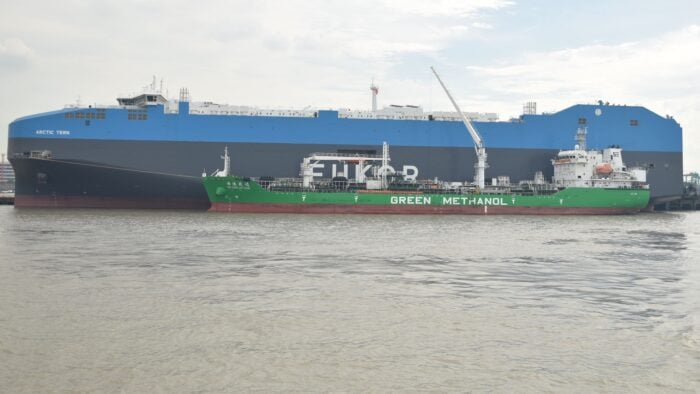
EUKOR, SIPG Energy, and World Fuel Complete First Green Methanol Bunkering of New Shaper Class Car Carrier at Port of Shanghai
News | 02 April 2026
World Fuel Services and West Coast Clean Fuels Establish Proven Methanol Bunkering Capability Available Across U.S. Ports
Article | 20 January 2026
Spotlight on Tampa Bay: Supporting key marine operations through reliable fuel supply
Article | 06 January 2026
Understanding certification, carbon metrics, and quality control in marine biofuels
News | 04 December 2025
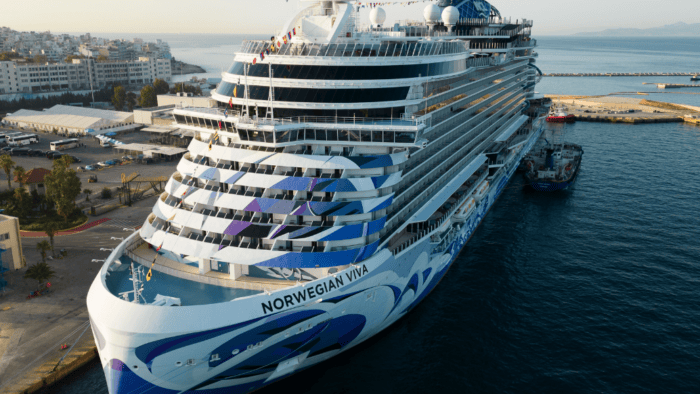
World Fuel Services supplies a Norwegian Cruise Line Holdings vessel with waste-based biofuels in Greece through collaboration with EKO
Article | 29 September 2025
Spotlight: Bunkering is back in Portland and the Columbia River
Article | 29 September 2025
World Fuel helps shipping boost reliability, compliance, and cost with quality lubricant solutions.Speak to a Marine Regulatory Compliance Specialist
Discuss your EU ETS shipping exposure, fleet profile, route mix, allowance approach, contracts, and fuel plans. We can help you assess practical compliance, procurement, and transition options.
Learn more about our services
Explore related products, solutions, and services to help meet your business needs.