Navigating EU ETS maritime compliance and shipping carbon costs

Core EU ETS maritime compliance and operational decisions
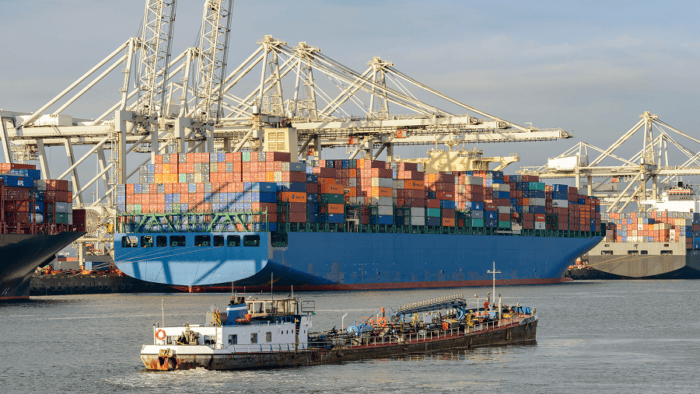
Identify the vessels, voyages, port activity, and greenhouse gases included in your exposure.
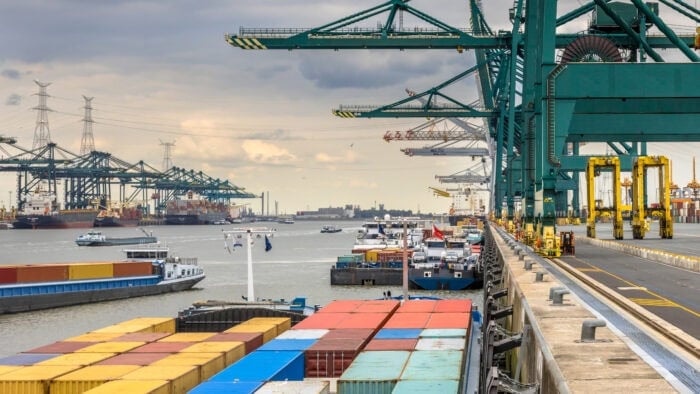
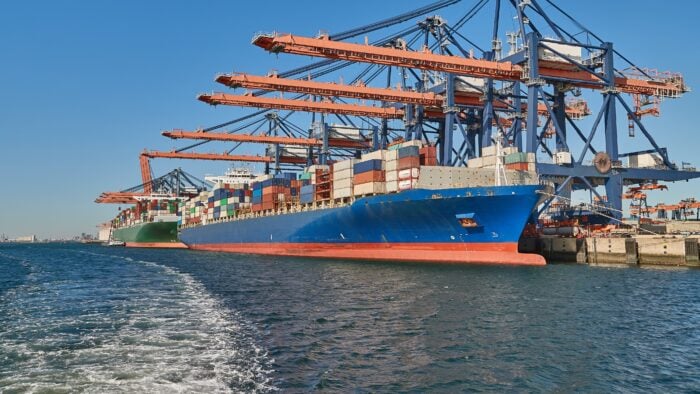
Cargo and passenger ships over 5,000 gross tons entered EU ETS from 2024, with offshore service vessels of 5,000 gross tons or more scheduled for inclusion from 2027. The framework distinguishes between emissions from intra-EU voyages, extra-EU voyages, and activity in port. Coverage also expands to methane and nitrous oxide from 2026. Mapping your vessels, routes, port calls, fuel consumption, and emissions data gives your teams a clearer starting point for compliance and fuel decisions.

Connect your verified emissions data with the entity responsible for surrendering EUAs.
One EUA represents one tonne of carbon dioxide. Shipping companies must monitor emissions, submit verified annual reporting, and surrender the required allowances. Shipowning companies hold the formal surrender obligation, while operators, charterers, cargo owners, or pool managers may need to purchase and transfer EUAs under their commercial arrangements. Confirm responsibility, registry access, reporting processes, and contractual allocation before setting your marine emissions compliance plan.

Model your carbon exposure alongside fuel, route, operating, and procurement choices.
Your EU ETS exposure and shipping carbon costs depend on covered emissions, the required allowance volume, EUA market prices, fuel emission factors, voyage patterns, and commercial responsibility. No fixed cost applies across every fleet or route. Compare allowance procurement and portfolio approaches with bunker fuel choices, operational measures, and longer-term transition plans. FuelEU Maritime is a related consideration within the broader fuel strategy.

Compliance exposure
Marine carbon cost and responsibility management
The role of alternative and future fuels
Connect EU ETS exposure with your marine fuel transition strategy

Support for your next marine fuel decision

Marine Price Risk Management
Review purchasing and risk-management approaches that may support budget governance alongside EUA exposure.
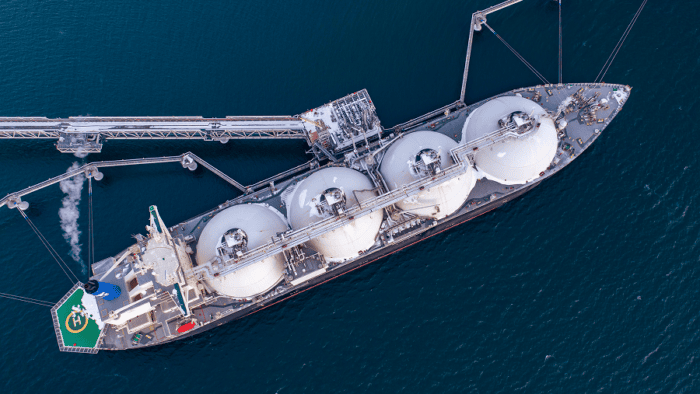
LNG Supply Management
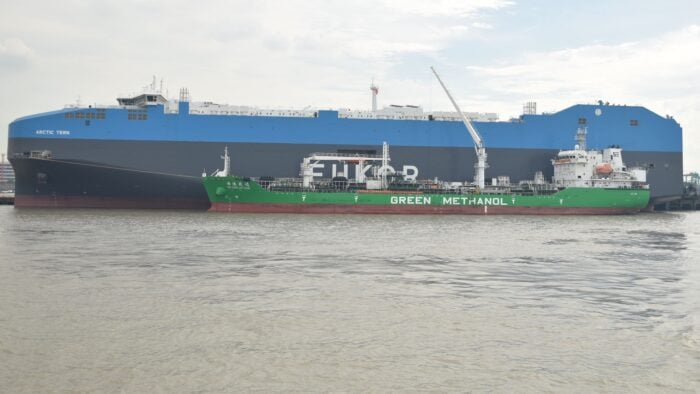
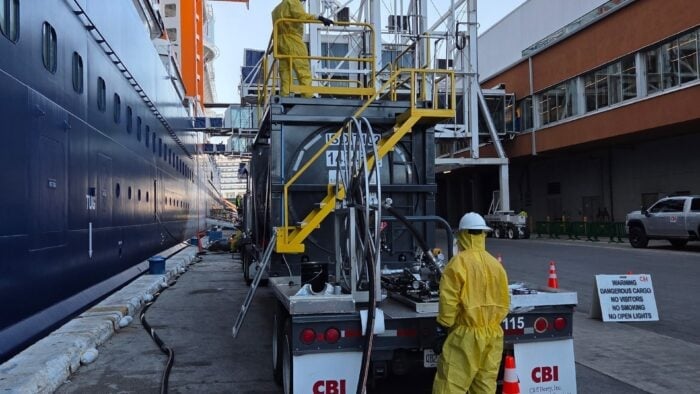
Assess bunkering infrastructure, refueling logistics, sourcing, specifications, and pricing for LNG-fueled operations.