Protect vessel performance with marine lubricants and additives
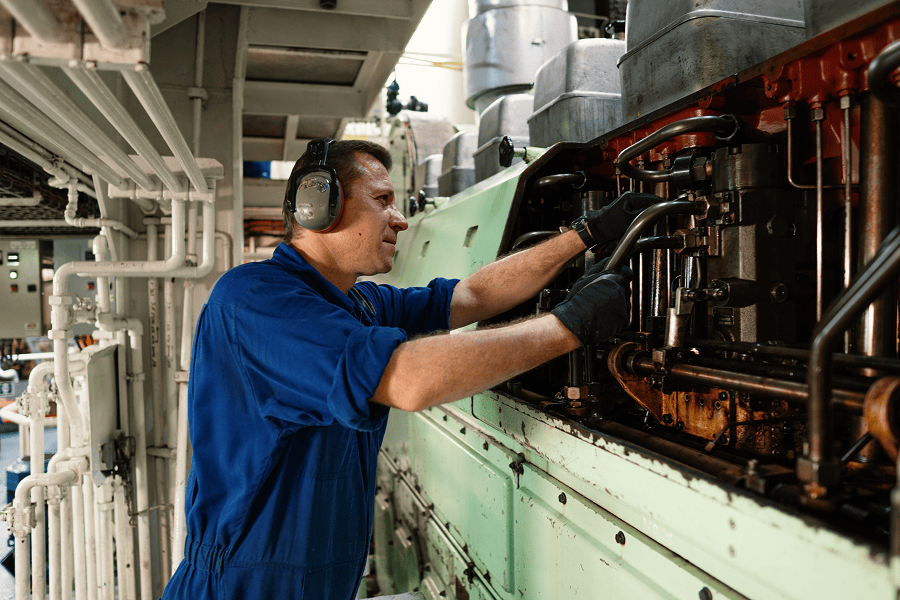
Protect critical marine infrastructure and manage fuel quality with marine lubricants, fuel additives, and technical support selected around your vessel and operating conditions.
Diagnose equipment needs before selecting marine lubricants and additives
When lubricant performance, fuel quality, or equipment condition needs closer attention, start with the machinery, fuel, and operating conditions affecting the vessel.
A marine lubricant or additive decision should begin with the operating evidence, not a product list. We consider the vessel and application, then review the engine, fuel, lubricant chemistry, and trading pattern to help customers evaluate suitable lubricants, additives, and technical support. This connects product selection with equipment condition, fuel performance, and maintenance planning.
Improve fuel and lubrication management
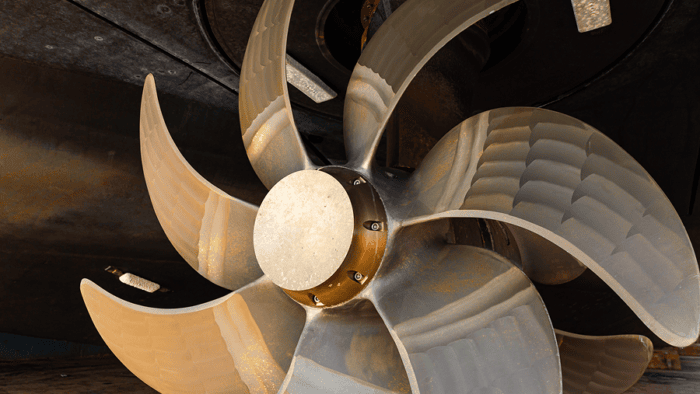
Address the requirement with the right combination of product selection, analysis, and technical support.
Match marine lubricant selection to the machinery and application.
Select oils, greases, and coolants around the machinery, application, and compatibility requirements. Technical guidance can support product changes across main engines and other onboard equipment.

Select fuel treatment around an identified requirement.
Evaluate a marine fuel additive against the specific fuel-quality or operational issue. The assessment can determine whether treatment may support combustion, stability, compatibility, sludge management, or emissions-reduction objectives.

Use condition information to guide the next decision.
Use lubricant analysis and oil condition monitoring to identify degradation or equipment-condition indicators, then determine whether product, monitoring, or maintenance action is warranted.

Marine lubrication solutions
Select lubricants for the machinery and application
Product decisions should reflect how the equipment operates.
When lubricant selection affects equipment protection or maintenance planning, the decision should reflect the specific vessel and application. Selection may depend on the engine, fuel, equipment application, lubricant chemistry, and trading pattern. World Fuel works with premium marine lubricant manufacturers to provide lubricants, oils, greases, and coolants for onboard applications. Lubricant analysis or oil condition monitoring can add condition information to product and maintenance decisions.
Marine technical resources and on-demand support

Access lubricant specifications and safety information, or move directly to the technical service relevant to your vessel or fuel-quality concern.
Marine lubricant and additives FAQs
Product selection should begin with the vessel and equipment requirements rather than a general product preference. Useful information includes the equipment application, engine and fuel type, existing lubricant, and operating conditions. The vessel’s trading pattern and the concern being reviewed can further narrow the available options and determine whether lubricant analysis, oil condition monitoring, or further technical assessment should form part of the program.
Lubricant analysis can provide information on oil condition, degradation, and indicators linked to equipment condition. The results can help technical teams determine whether performance remains within the expected range or whether further investigation is required. They may also support decisions about lubricant changes or maintenance planning by providing a clearer basis for the next action.
Start with the fuel-quality characteristic or operational issue the additive is intended to address. The review should consider the fuel, vessel, engine, storage and handling conditions, delivery to the engines, and intended product use. Depending on the product and application, the assessment may consider combustion performance, fuel stability and compatibility, sludge formation, or fuel waste. Any proposed benefit should be assessed against the specific fuel and vessel rather than assumed across the fleet.
Combustion-improving additives can reduce specific fuel oil consumption and carbon dioxide output per nautical mile. Depending on the product, fuel, engine, and operating conditions, they may also reduce combustion-related emissions, smoke, particulate matter, and soot. Marine additives can provide further operational benefits by improving onboard fuel stability and compatibility, reducing sludge formation and fuel lost through sludge discharge, and supporting scrubber operation. Expected results should be confirmed for the selected additive and application.
A fleetwide program can be structured around common equipment, product, and supply requirements, but availability and suitability may vary by vessel and region. The review should account for machinery specifications, product compatibility, manufacturer coverage, trading patterns, and port requirements. A predominantly single-brand or multi-brand approach may be appropriate depending on the fleet. Product substitutions and lubricant mixing should receive technical review.
Why World Fuel
World Fuel connects lubricant and additive product expertise with marine fuel-quality and technical support. Our in-house marine specialists, commercial and operational teams help customers evaluate products, interpret condition information, and respond when technical requirements change. This integrated approach combines global marine experience with local knowledge.
1,200 +
Global seaports
2,200 +
Customers
4B +
Billion Gallons
Marine Fuel Insights
Explore practical guidance and approved real-world examples covering marine fuel supply, vessel operations, fuel quality, and the changing needs of marine fleets.
Article | August 26, 2026
RED III series part 2 of 2: What does RED III mean for shipping companies in practice?
Article | July 27, 2026
Spotlight on Liverpool: Serving modern maritime freight from a historically significant port
Article | January 20, 2026
Spotlight on Tampa Bay: Supporting key marine operations through reliable fuel supply
Article | September 29, 2025
Spotlight: Bunkering is back in Portland and the Columbia River
Article | June 10, 2025
Spotlight: Transforming Gibraltar into a premier bunkering hub for commercial shipping and superyachtsDiscuss your vessel performance requirements
Discuss your vessel requirements with a marine specialist to identify the appropriate lubricant, additive, analysis, or technical-support route.
Learn more about our services
Explore related products, solutions, and services to help meet your business needs.