Back

Select your location

Global

Local sites

Australia United Kingdom
Back

Gasoline & Diesel Fuel and Services

Back

Natural Gas & Energy Services

Back

Government & Defense Solutions

Turn future fuel plans into practical fleet decisions
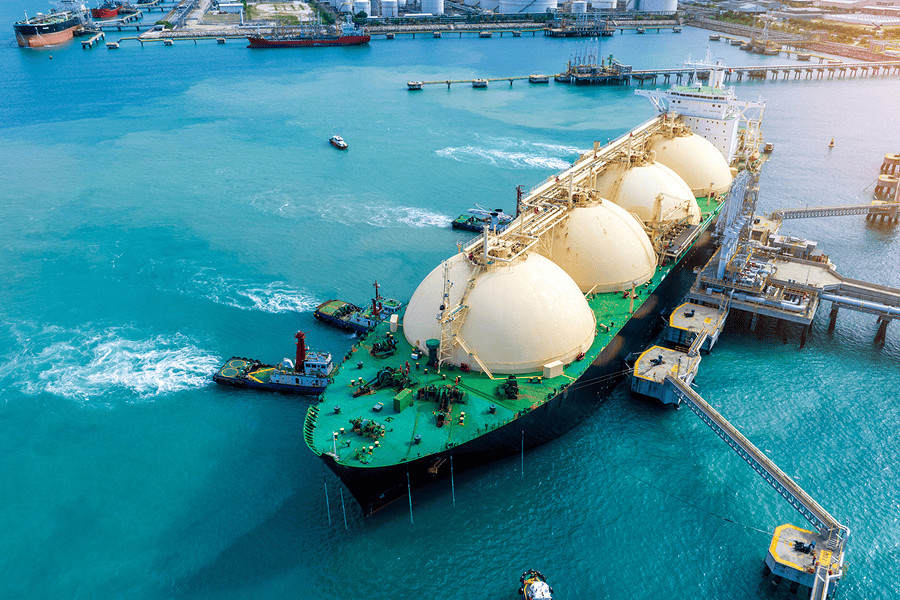
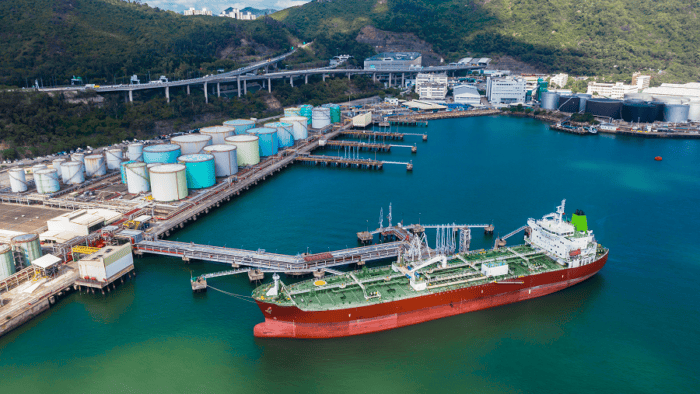
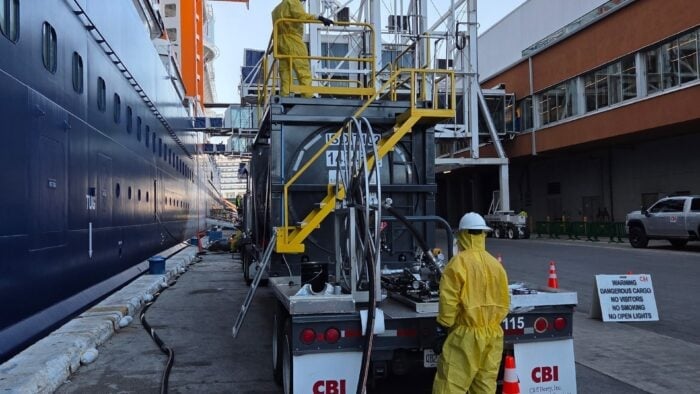
A commercial fuel tanker vessel docked securely at a port terminal pier during fuel logistics operations

Navigate a changing marine fuel landscape

Explore future marine fuel pathways

Continue evaluating your marine fuel options

Biodiesel

Explore marine biodiesel options and understand how feedstock, specification, compatibility, certification, quality, and availability can affect adoption.

LNG Supply

Evaluate LNG supply, bio-LNG, and LNG bunkering considerations, including infrastructure, vessel requirements, availability, and operational planning.

EU ETS

Understand how EU ETS may affect your emissions exposure, fuel decisions, allowance costs, reporting, and compliance planning.

Technical Services

Access technical support for marine fuel quality, compatibility, handling, performance, testing, and alternative-fuel evaluation.

Turn marine fuel strategy into practical decisions

Compare options on the same basis

Assess emissions impact, technical readiness, availability, infrastructure, and commercial viability.

Support credible emissions planning

Connect marine fuel decisions with lifecycle methodology, certification, reporting, and auditability requirements.

Identify operational requirements early

Evaluate compatibility, storage, marine fuel bunkering, handling, safety, and crew requirements before adoption.

Balance sustainability goals with commercial reality

Consider scalability, procurement risk, fuel availability, cost exposure, and operational reliability.

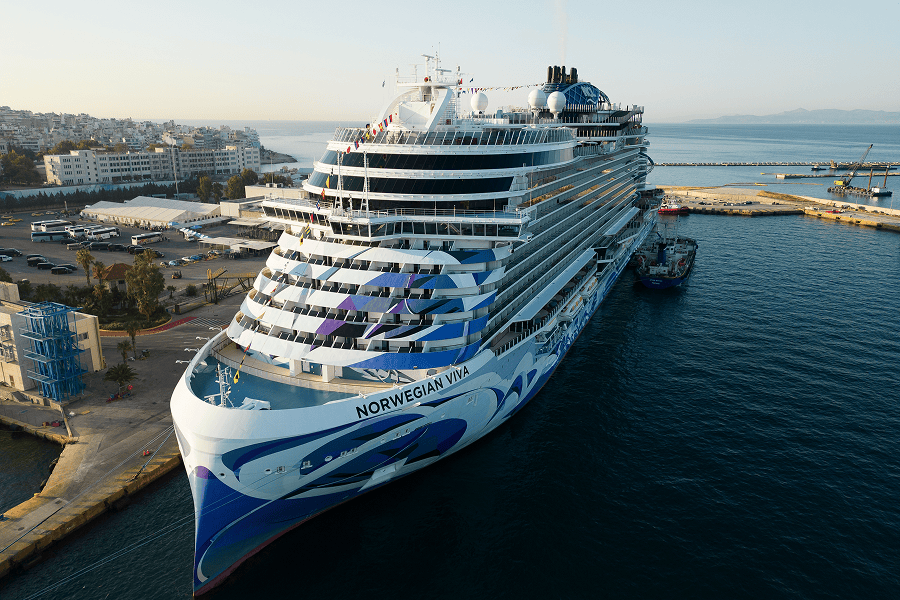
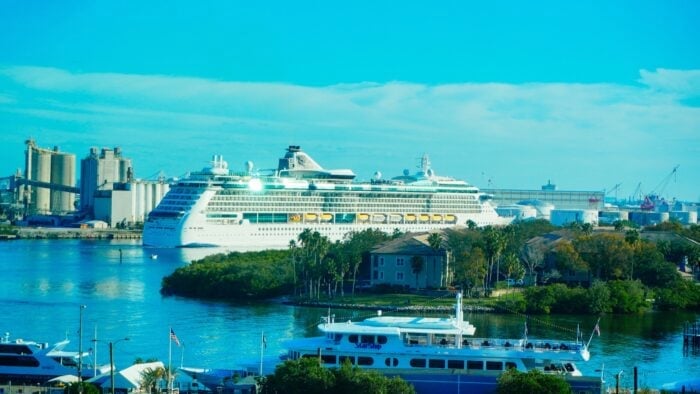
A luxury cruise ship docked securely at a passenger port terminal pier

Customer example

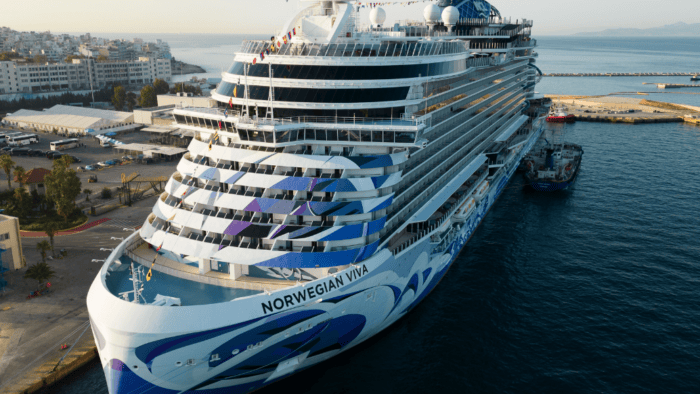
A milestone for sustainable cruising

Sustainable Marine fuels FAQs

There is no universal answer. Start with three questions: Can the fuel work with your vessels? Is it available where you operate? Does it support your emissions and commercial objectives? The answers may differ by vessel, route, or region, so a fleetwide energy-transition plan may include more than one fuel pathway over time.

World Fuel supports access to conventional fuels and lower-carbon options. Over the years, we have developed the capability to build future fuel supply chains where they did not previously exist, working through the associated logistical and regulatory requirements. Specific availability must be confirmed for the required product, port, quantity, specification, and delivery window. Hydrogen, ammonia, synthetic fuels, and e-fuels remain at different stages of technical and commercial readiness.

First, confirm that the fuel is compatible with the vessel and suitable for the intended regulatory or emissions objective. Then verify that the required certification, documentation, quality controls, and bunkering support are available for the planned use. Supply conditions and commercial terms will determine where and how the fuel can be deployed.

Ammonia contains low or zero carbon, but its lifecycle greenhouse gas impact depends heavily on how it is produced and transported. Marine use also requires careful assessment of toxicity and safety, storage, handling, crew competency, vessel suitability, bunkering procedures, and port infrastructure.

A fleetwide strategy can establish common emissions objectives, evidence standards, and evaluation criteria, but individual vessels may require different decisions. Vessel age, engine configuration, trading pattern, port access, and operational demands can affect which pathways are feasible.

Why World Fuel

1,200 +

Global seaports

2,200 +

Marine customers

40 +

Years in business

Fuel management services for container, dry bulk, tanker, cruise, car carrier, offshore, government and military, and yacht operations

Marine fuel transition insights

Discuss your future fuel requirements

We make sustainable marine fuel supply simple in a complex world by helping you evaluate fuel pathways against your emissions goals, fleet requirements, routes, infrastructure, and operational priorities.

Learn more about our services