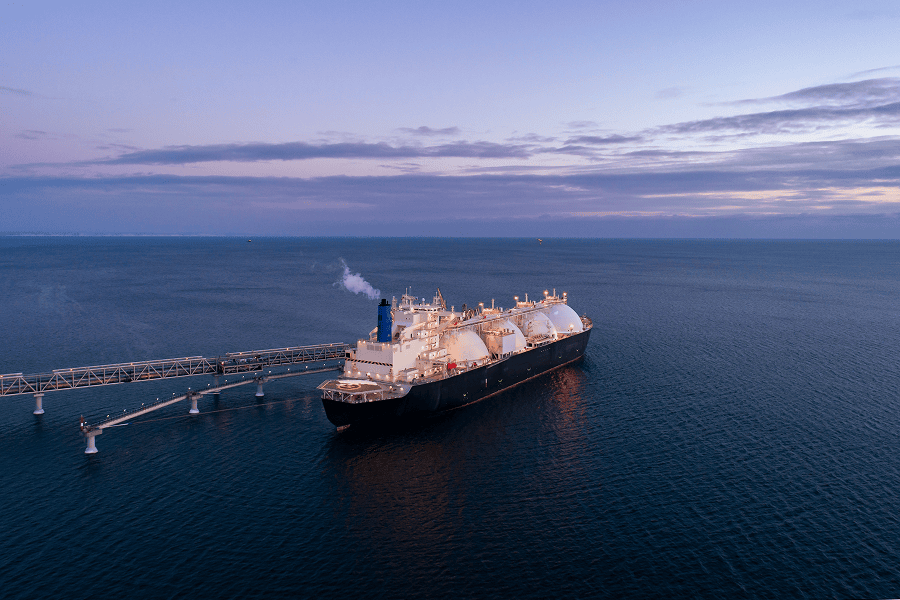
Determine where LNG fits your fleet and routes
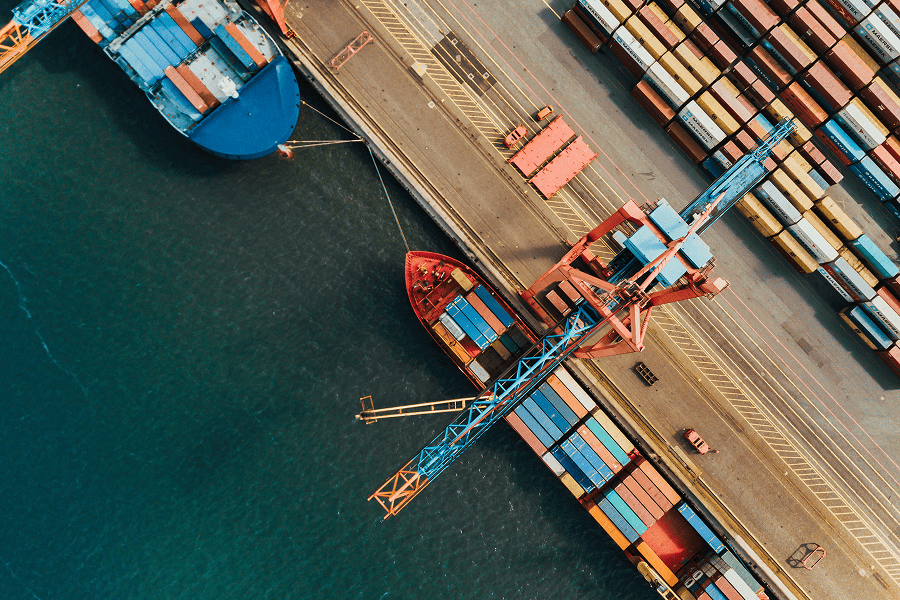
Introducing liquefied natural gas (LNG) requires more than finding fuel at a port. World Fuel helps you identify where LNG can integrate into your fleet and what is needed for successful implementation. Our marine specialists connect LNG sourcing with the technical, commercial, and port requirements of your operation.
Build an LNG plan around your operating requirements
LNG can support your fuel transition strategy when the vessels, routes, infrastructure, supply conditions, and commercial case align.
Before committing to a supply approach, your procurement, sustainability, and operations teams need to understand how LNG would work across the vessel’s trading pattern that means determining whether potential supply sources, available port infrastructure, and refueling logistics can support the vessel requirements, LNG grades, and quality specifications involved. We assess those factors alongside the available commercial options.
This gives your teams a practical basis for comparing LNG with conventional and other alternative marine fuels. It also brings the supply, technical, and operational questions into one plan so you can identify what is feasible, what requires further development, and what must be resolved before implementation.
We make fuel supply simple in a complex world.
Supply and infrastructure
Start with ports, infrastructure, and delivery logistics
Port-level availability and delivery logistics shape every marine LNG supply decision.
LNG is not available at every port, and delivery models vary by location. We analyze LNG bunkering infrastructure, potential supply sources, refueling logistics, and port suitability in relation to your vessels and trading pattern.
The assessment can also identify permitting considerations and other local requirements that need to be addressed before supply begins. By resolving these questions early, your team can focus on supply scenarios that are operationally realistic rather than treating LNG as a standard bunker purchase.
Commercial and technical planning
Shape the LNG supply program around your fleet
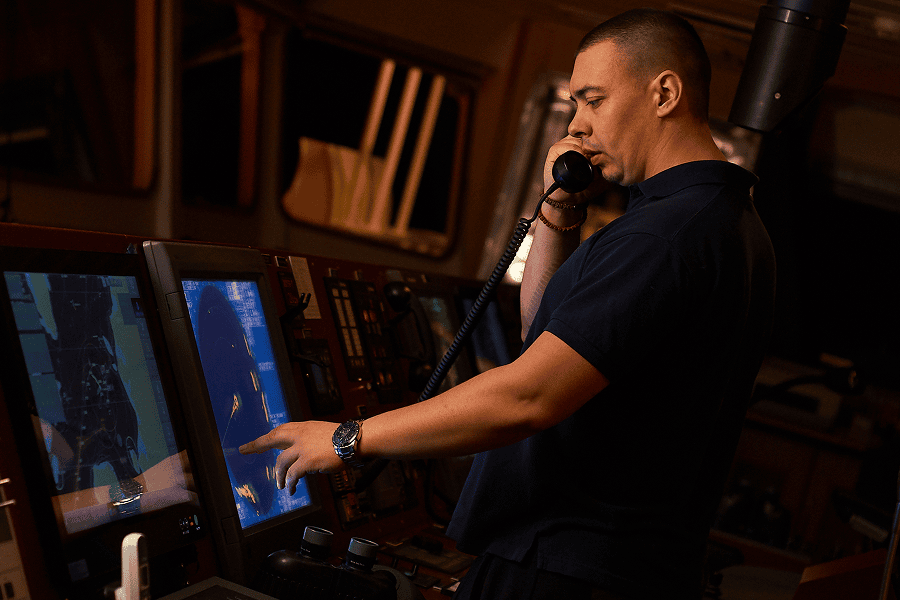
Develop an LNG plan that reflects vessel requirements and the realities of supply at each port.
Once the relevant ports and delivery arrangements have been identified, we help your teams develop an LNG supply program around the vessels and routes involved. This may include evaluating suppliers, confirming the appropriate LNG grade and quality specifications, and comparing commercial scenarios for the ports under consideration. Fixed-price or cap-price structures may also be considered where available and subject to the applicable terms.
For operators introducing LNG-fueled vessels, support may begin during commissioning and continue into ongoing fuel management. Where relevant to the agreed scope, operating manuals and training programs can be developed around the bunkering arrangement and the responsibilities of each party.
Resolve the questions behind LNG implementation
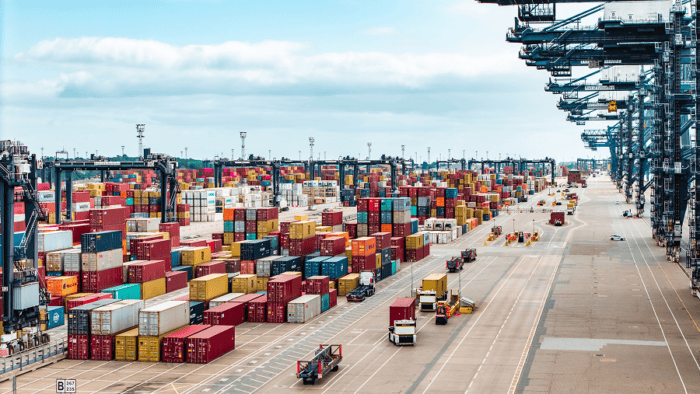
Address the decisions that determine whether LNG can be supplied, implemented, and managed effectively.
Establish where LNG bunkering can be supported.
We assess whether the available infrastructure, port conditions, and delivery arrangements can support your vessels and trading pattern.

Align available supply with vessel requirements.
Our specialists examine potential supply sources, LNG grades, and quality specifications in relation to vessel requirements.
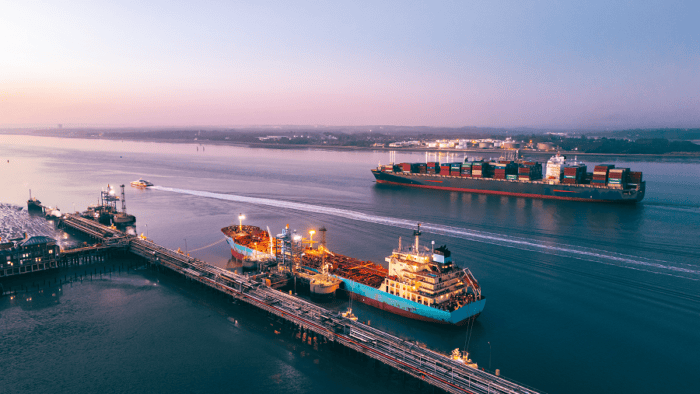
Prepare the supply model for implementation.
Commercial terms, operating procedures, and training can be coordinated around the selected ports, vessels, and bunkering arrangements.
Marine LNG supply frequently asked questions
Practical considerations when deciding whether LNG fits your fleet and operating model.
No single answer applies to every fleet. LNG suitability depends on how the fuel would work within the vessel and across its expected trading pattern. Vessel requirements must be considered alongside port infrastructure, supply availability, operating costs, and the organization’s wider fuel transition strategy. World Fuel can assess these factors together and identify where LNG may be practical.
LNG supply is not widely available across all ports, and delivery methods differ by location. Availability should be assessed against your vessels, routes, ports, and operating requirements. Our assessment examines potential suppliers, available infrastructure, and applicable local requirements.
LNG supply planning begins with your fleet and intended routes. From there, the scope can extend into supply sourcing, port feasibility, fuel specifications, commercial options, and the procedures required for implementation. Permit support, operating manuals, and training may also form part of the program where relevant.
We assess the complete supply arrangement rather than the quoted fuel price alone. The analysis considers whether the selected supplier and delivery model can support the required ports and operating needs. Fixed-price or cap-price structures may also be evaluated where available.
Speak to an LNG specialist
Tell us about your fleet, trading routes, and current stage of LNG planning. Our specialists can assess how potential supply sources and port infrastructure align with your operational and commercial requirements.
Learn more about our services
Explore related products, solutions, and services to help meet your business needs.