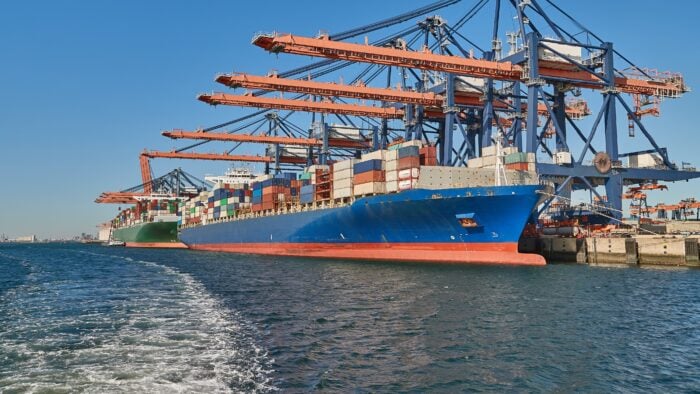
Physical supply and marine fuel delivery built around your schedule
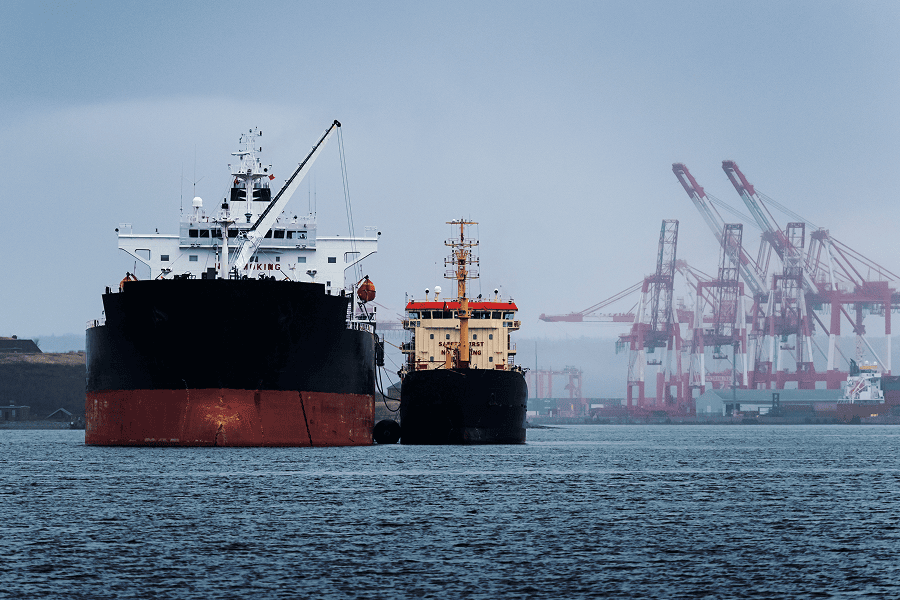
When a port call, berthing window, or vessel requirement changes, your fuel delivery plan needs to respond. World Fuel helps you coordinate physical bunkering operations around the schedule, fuel quality requirements, and operating conditions that matter to your vessel.
Physical supply built around the requirements of each port call
Your vessel needs the right fuel, delivery method, and local coordination to come together within the available port window.
World Fuel provides physical supply of marine fuels and lubricants through 18 direct supply locations and a broader global marine network, supported by product inventories, storage solutions, and ex-pipe, barge, and truck assets at confirmed locations.
For your operations team, the decision comes down to whether the fuel, delivery method, quality requirements, and local coordination can be aligned with the vessel, port, and timing requirements.
We make fuel supply simple in a complex world.
Physical Supply Locations
Match the supply location to your operating requirements

Products, delivery methods, and supporting assets vary by location
The right physical supply arrangement depends on the vessel, product, port, timing, and delivery method. World Fuel supports physical marine fuel delivery through port-specific infrastructure, product availability, and local operating knowledge. The examples below show how delivery method, storage, pumping capability, vessel access, and fuel-quality support vary by location and operating requirement.
Nederland, Texas: World Fuel is the exclusive marine fuel supplier at the Nederland terminal, supplying RMG 380 and MGO 0.1% sulfur by ex-pipe at Docks 1 through 4. With advance notice, a vessel calling at Dock 5 may be shifted to a dock equipped for ex-pipe supply. Listed capabilities include IFO pumping rates up to 350 metric tons per hour, MGO pumping rates up to 155 metric tons per hour, approximately 19,000 metric tons of IFO capacity, and 4,000 metric tons of MGO capacity.
Falmouth, United Kingdom: The Whit Navigator supports barge delivery with a listed capacity of 1,050 metric tons. The location also includes approximately 30,000 metric tons of storage, MGO pumping rates up to 290 metric tons per hour, and an on-site testing laboratory.
Gibraltar: At the Western Arm Terminal, Gib Oil, a World Fuel brand, supplies MGO by ex-pipe and can support combined IFO and MGO requirements through barge delivery. Listed infrastructure includes 18 tanks with approximately 3,200 metric tons of MGO/AGO storage and an additional 13,350-metric-ton MGO storage facility.
Specific products, capacities, pumping rates, storage, vessel limits, water depth, delivery arrangements, and location availability must be confirmed for each port call.
Focus on the details that keep marine fuel delivery on track
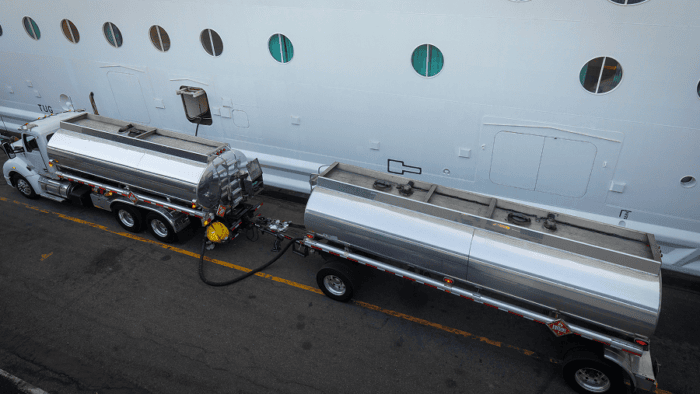
Fuel availability is only the starting point. Evaluate how delivery performance, local execution, communication, and quality support fit the ports and schedules where your vessels operate.
Align bunkering with vessel schedules
Plan marine fuel delivery around the expected port call, then adapt the arrangements when berthing times or operating conditions change. Local knowledge and centralized coordination help keep the delivery requirements connected.

Protect confidence in supplied fuel
Draw on World Fuel’s fuel-quality expertise, technical capability, and operational knowledge to support fuel quality expectations and shipboard operating requirements.
Work with teams that understand port operations
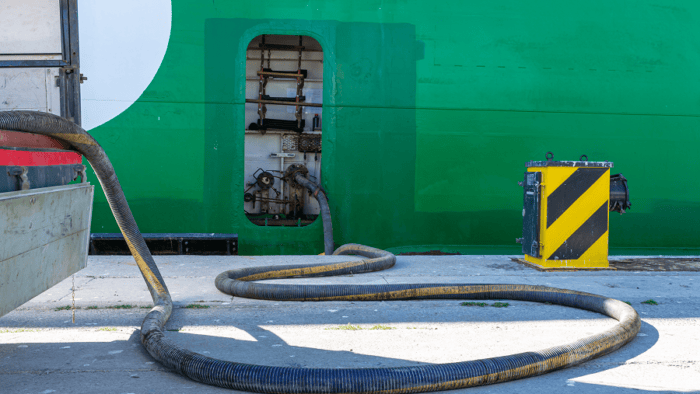
Use local expertise, physical supply assets where available, and practical communication to support vessel fuel delivery at the relevant port.

Connect physical supply with your wider marine fuel needs
Bunker Fuels
Plan conventional marine fuel procurement and supply around your vessels, port coverage, and delivery requirements.
Bunker Fuels & LNG
Explore conventional bunker fuel and LNG bunkering options against your fleet, routes, infrastructure, and operating requirements.
Technical Services
Connect fuel supply decisions with technical support for fuel quality, vessel requirements, and operational performance.
Marine Lubricants
Support vessel operations with marine lubricant supply alongside your broader fuel and service requirements.
What your operation needs at the point of delivery
Delivery certainty
Support vessel schedules with physical supply planning, local knowledge, and delivery coordination around real port conditions.
Fuel quality confidence
Use World Fuel’s fuel-quality expertise and technical capability to support dependable fuel decisions and shipboard operating requirements.
Safety-minded execution
Align marine fuel delivery with QHSSE practices designed to support safety, health, environmental protection, and responsible operations.
Responsive coordination
Keep communication practical when schedules, berthing windows, or operational requirements change, with local coordination focused on finding workable delivery options.
Operational coordination
Stay aligned when the port call changes
Practical communication before, during, and after the port call
Your team measures bunkering performance by whether the delivery supports the voyage plan and fits the realities of the port call. A change in the vessel’s estimated time of berthing, a tighter turnaround window, or competing port activity can all require the delivery plan to adjust.
We combine centralized coordination with dedicated contacts who understand local port conditions. This connects commercial, operational, and technical requirements with execution at the port, giving your team a clearer point of coordination as plans change, supported by local knowledge and centralized oversight.
Continue planning around your fleet and fuel requirements
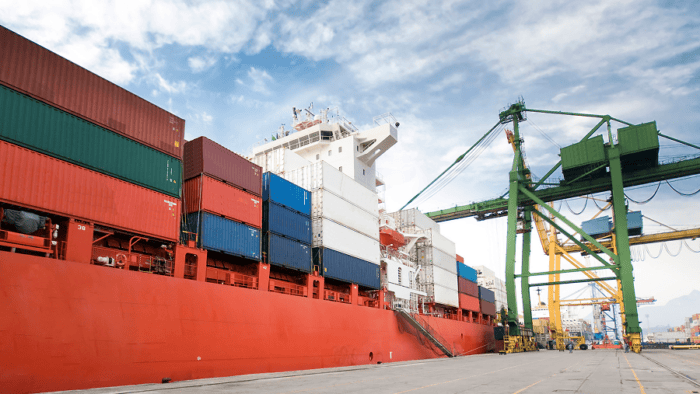
Continue planning beyond the delivery itself with support for fuel price exposure, technical fuel considerations, and the operating requirements of your fleet segment.
Container Shipping
World Fuel supplies marine bunker fuel and fuel management services across more than 1,200 seaports.

Price Risk Management
We help you compare pricing structures and hedging strategies against expected demand, purchasing periods, budget requirements, and commercial objectives.
Marine fuel physical supply FAQs
Practical answers for operations teams evaluating delivery reliability, quality support, and local execution.
World Fuel supports marine fuel delivery through local expertise, centralized coordination, and physical supply capabilities that include product inventories, storage solutions, and ex-pipe, barge, and truck assets at confirmed locations.
Our fuel-quality expertise, technical capability, and shipboard operating knowledge can support your marine fuel supply decisions. Our QHSSE approach also supports safety, health, environmental protection, and quality management across operations.
Communication and escalation arrangements vary by port and service. Confirm the applicable contacts and response process when planning the delivery.
Available physical delivery methods for marine fuels and bunker fuel oil may include ex-pipe, barge, and truck delivery, supported by inventory and storage capabilities where available. These capabilities vary by location and must be confirmed for the relevant port, product, vessel, and operating requirement.
Why World Fuel
When you are coordinating fuel across different vessel types, ports, and schedules, you need supply capability to remain connected to technical knowledge and local execution.
World Fuel supplies fuel and fuel management services to container, dry bulk, tanker, and cruise vessels at seaports worldwide. As a physical marine fuel supplier, World Fuel combines marine supply services with in-house technical and operational expertise to support fuel quality and delivery execution. Its global reach and financial capabilities help customers manage marine fuel procurement across complex operations.
1,200 +
Global seaports
2,200 +
Customers served
Marine fuel insights
Explore practical guidance and approved real-world examples covering marine fuel supply, vessel operations, fuel quality, and the changing needs of marine fleets.
Article | August 26, 2026
RED III series part 2 of 2: What does RED III mean for shipping companies in practice?
Article | July 27, 2026
Spotlight on Liverpool: Serving modern maritime freight from a historically significant port
Article | January 20, 2026
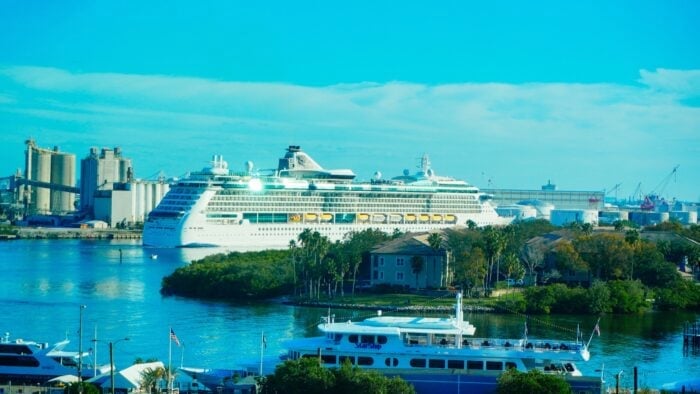
Spotlight on Tampa Bay: Supporting key marine operations through reliable fuel supply
Article | September 29, 2025
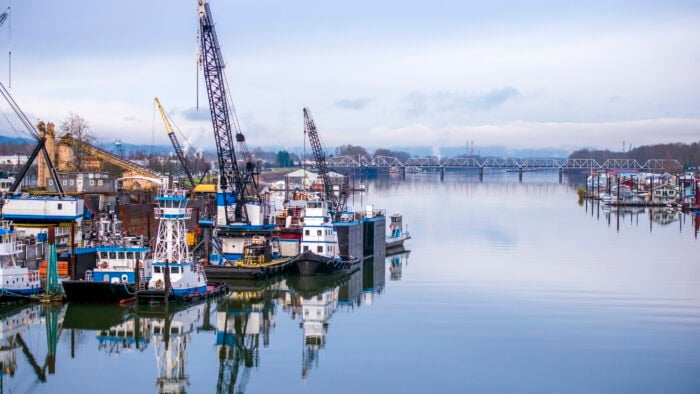
Spotlight: Bunkering is back in Portland and the Columbia River
Article | June 10, 2025
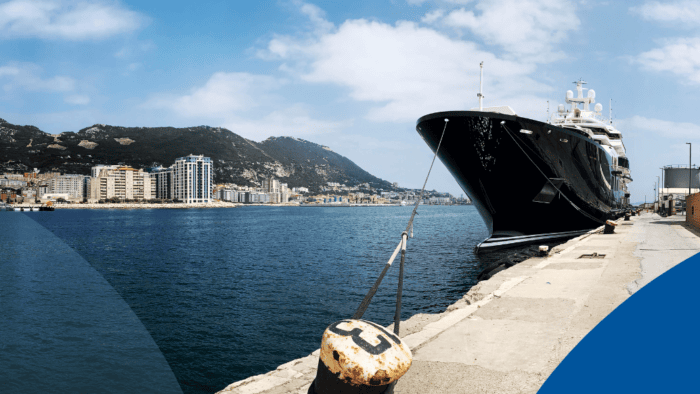
Spotlight: Transforming Gibraltar into a premier bunkering hub for commercial shipping and superyachtsPlan your next physical marine fuel delivery around the port call
Tell us about your vessel, port, fuel requirements, delivery window, and operating conditions. Our physical supply specialists can help you review the available delivery approach, local coordination, and fuel quality considerations.
Learn more about our services
Explore related products, solutions, and services to help meet your business needs.