Spotlight on the Port of Buenos Aires: World Fuel’s supply operation on the River Plate and the Paraná
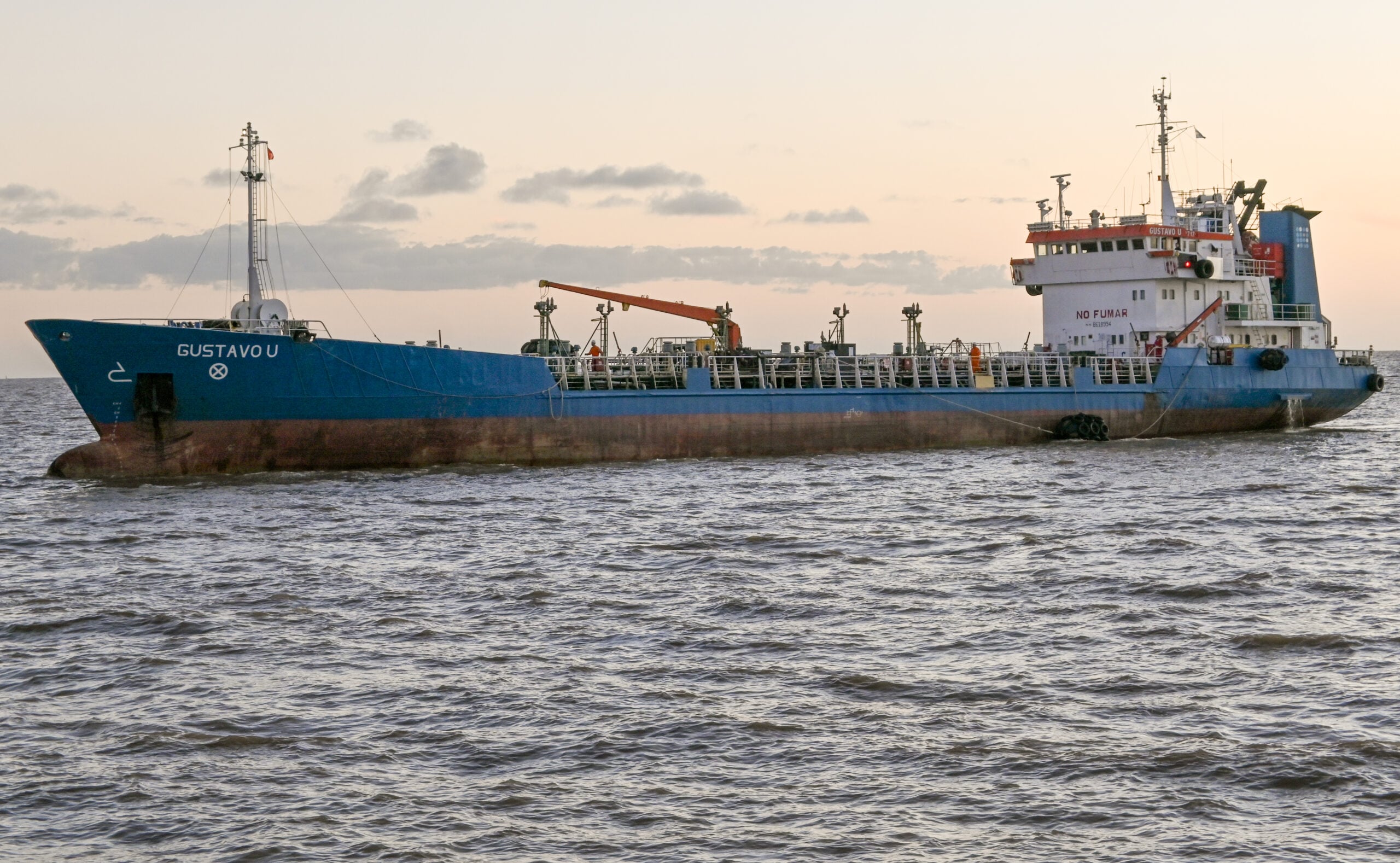
Every oceangoing ship that loads at the grain terminals around Rosario and San Lorenzo reaches the Atlantic via the same route, sailing down the Paraná River and across the River Plate (Río de la Plata), which is the broad, shallow estuary on which Buenos Aires stands. Many of these vessels take on fuel along the way at Zona Común, an anchorage area off the city of La Plata, southeast of Buenos Aires.
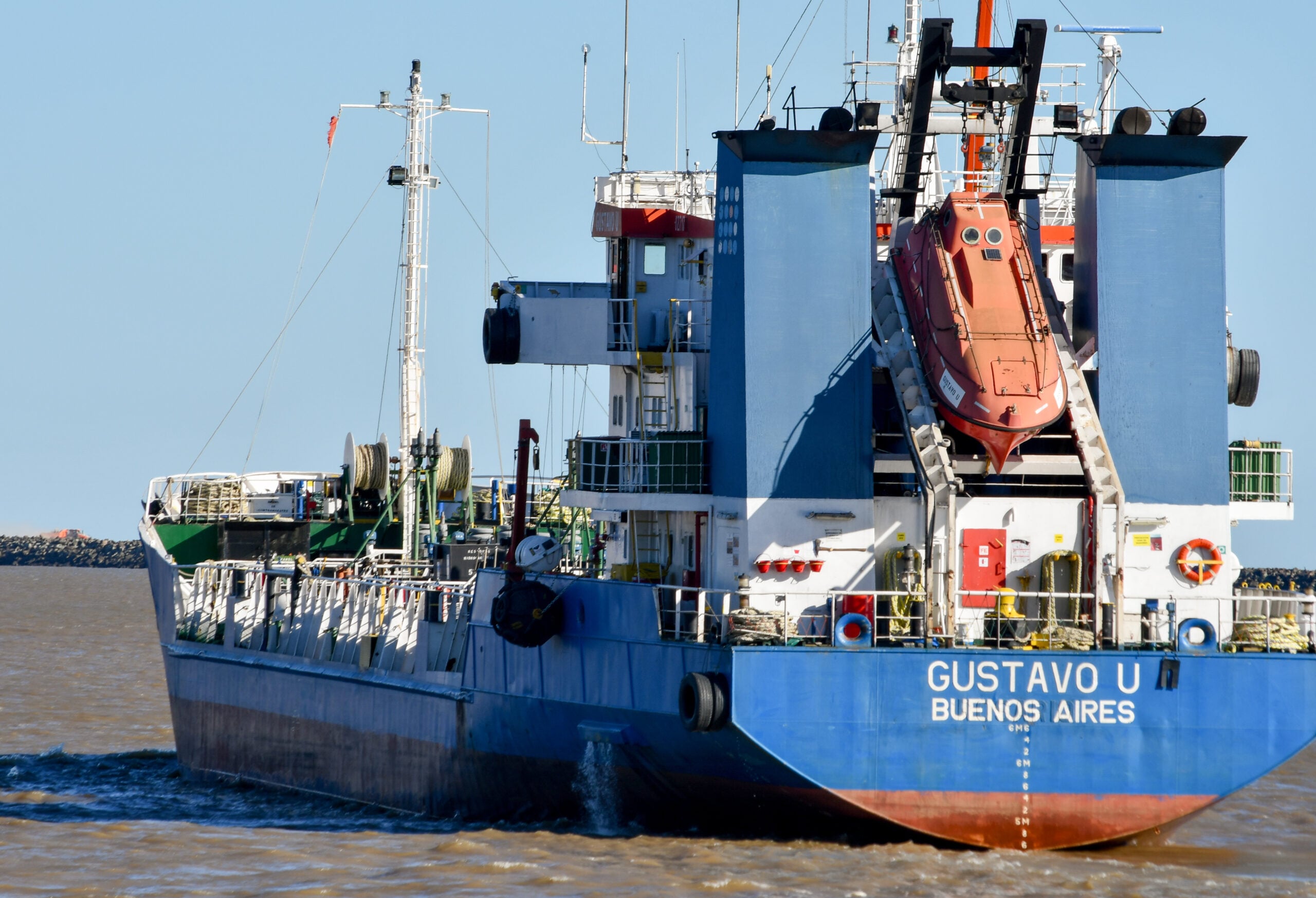
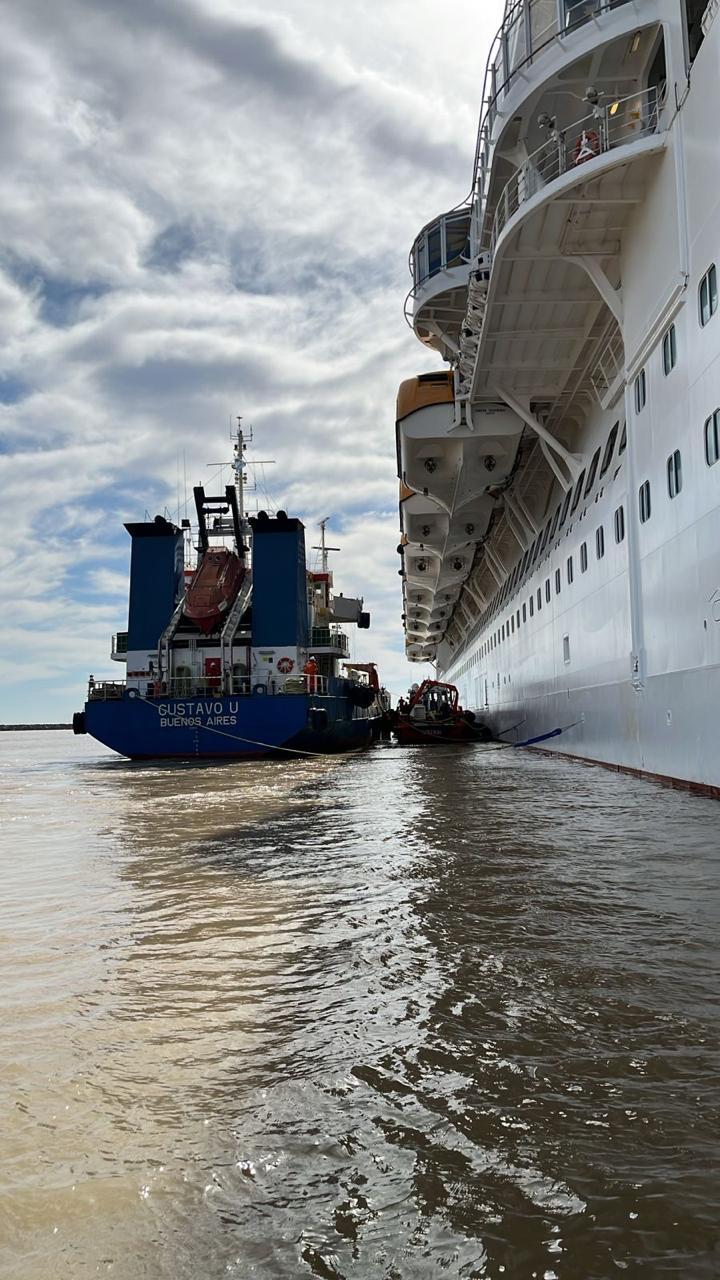
World Fuel has had an office in Buenos Aires for more than two decades, led from the very beginning by Diego Bukschtein, Senior Director of Latin America. From there, the local team supplies mainly bulk carriers and tankers at Zona Común throughout the year, and cruise ships in the port of Buenos Aires during Southern Hemisphere summer.
Buenos Aires and the Paraná River
Buenos Aires has been a port city since its founding in the sixteenth century. Today it is Argentina’s principal container port, handling more than 60% of the country’s container cargo, and a major cruise port with more than 120 calls per season. In total, around 6,000 vessels visit Argentina each year.
Most of Argentina’s agricultural exports, however, are loaded farther inland. Argentina is the world’s largest exporter of soybean meal and soybean oil, and in 2025 about three-quarters of its seaborne agro-industrial exports left from terminals around Rosario and San Lorenzo, some 300 kilometers northwest of Buenos Aires. That cluster, known as Greater Rosario, shipped 75.7 million metric tons of grain, vegetable oil, and by-products during the year, which the Rosario Board of Trade ranks first among the world’s agro-export port hubs, ahead of New Orleans and Santos.
These cargoes leave on bulk carriers loaded with grain and meal and on tankers loaded with soybean oil, and it is demand from these ships that make up most of World Fuel’s business in Argentina.
Supplying ships at Zona Común
This is a region that demands good local knowledge. World Fuel delivers to ships at anchor at Zona Común, where conditions frequently change from one day to the next. Deliveries must stop when the wind reaches above 20 knots, and Diego Bukschtein estimates that strong southeasterly winds tend to blow through about once every ten days, often bringing a day or two in which no deliveries are possible.
The river adds its own uncertainty. Many bulk carriers will load cargo to the maximum draft allowed by the depth of the navigable channel, which leaves little margin if northerly winds drive water out of the river system and the level falls below prediction. A grounding in the main channel can halt traffic in both directions, holding ships due at Zona Común upriver and impacting loading schedules and terminal berthing prospects for World Fuel tankers.
Delays can also start hundreds of kilometers upriver, where a ship arriving to load can have its holds rejected during an inspection as not clean enough for the cargo. The bunker delivery planned for this vessel at Zona Común must then be reworked. After dealing with the challenges of the region for so many years, Diego Bukschtein and his team are uniquely equipped to find the most efficient solutions.
Planning every delivery
The conditions in the region influence how the World Fuel team works in Buenos Aires. Tankers are not loaded in bulk to supply whichever ships happen to arrive.
Diego explains:
It is a daily puzzle. When we load at the refinery, we need to know exactly which ship each cargo is for. So we are always working on a plan B and a plan C, in case one of those ships is delayed.
In practice, that means calling ship agents several times a day, checking the weather, and planning loadings up to a week ahead. Most customers supplied in Argentina work with a World Fuel sales executive elsewhere in the world, making close coordination with the Buenos Aires team essential when conditions change.
Our team knows the local conditions and understands how quickly plans can change. When an issue arises, we don’t just report the problem. We communicate the solutions we have ready.
Cruise season in Buenos Aires
Between December and March, cruise ships add a very different workload, with the busiest weeks running from Christmas through to February. Buenos Aires is a home port for weeklong cruises to Brazil and the starting point for longer voyages that head south toward Antarctica, finishing in Valparaíso, Chile.
Overall, cruise ships account for a small percentage of the fuel World Fuel supplies in Argentina, but their schedules leave very little or no room for delay, and a range of unfavorable conditions on the river have the potential to hold up a tanker on its way to loading. Ships heading north can usually take fuel in Brazil, but those heading south have far fewer options along the way.
Diego explains:
For those cruises, Buenos Aires is what the cruise lines call a critical call; they cannot miss it.
Many inbound cruise vessels will request to take fuel on arrival. Due to the criticality of these calls, the World Fuel team is skilled at prioritizing them in such a way that impacts are minimized or eliminated across the wider planning operation. World Fuel has now supplied cruise ships in Buenos Aires for more than 20 years without missing a single delivery.
World Fuel’s team in Buenos Aires
The office opened in 2002, when it was part of Tramp Oil, which World Fuel acquired in 2004. A cruise line’s request for more supply options in Buenos Aires then led the office to charter a tanker and start its own physical supply operation.
World Fuel is also the appointed distributor of Shell Marine lubricants in Argentina, so customers can arrange fuel and lubricants in the country through one supplier. World Fuel has three warehouses deployed at key locations within Argentina, each serving different segments of the marine business.
Discover more
Article | August 26, 2026
RED III series part 2 of 2: What does RED III mean for shipping companies in practice?
Article | July 27, 2026
Spotlight on Liverpool: Serving modern maritime freight from a historically significant port
Article | January 20, 2026
Spotlight on Tampa Bay: Supporting key marine operations through reliable fuel supply
Article | January 06, 2026
Understanding certification, carbon metrics, and quality control in marine biofuels
Article | September 29, 2025
Spotlight: Bunkering is back in Portland and the Columbia River
Article | September 29, 2025
World Fuel helps shipping boost reliability, compliance, and cost with quality lubricant solutions.
Article | June 10, 2025
Biofuels on board: How World Fuel is supplying the next route to decarbonization
Article | June 10, 2025
Spotlight: Transforming Gibraltar into a premier bunkering hub for commercial shipping and superyachts