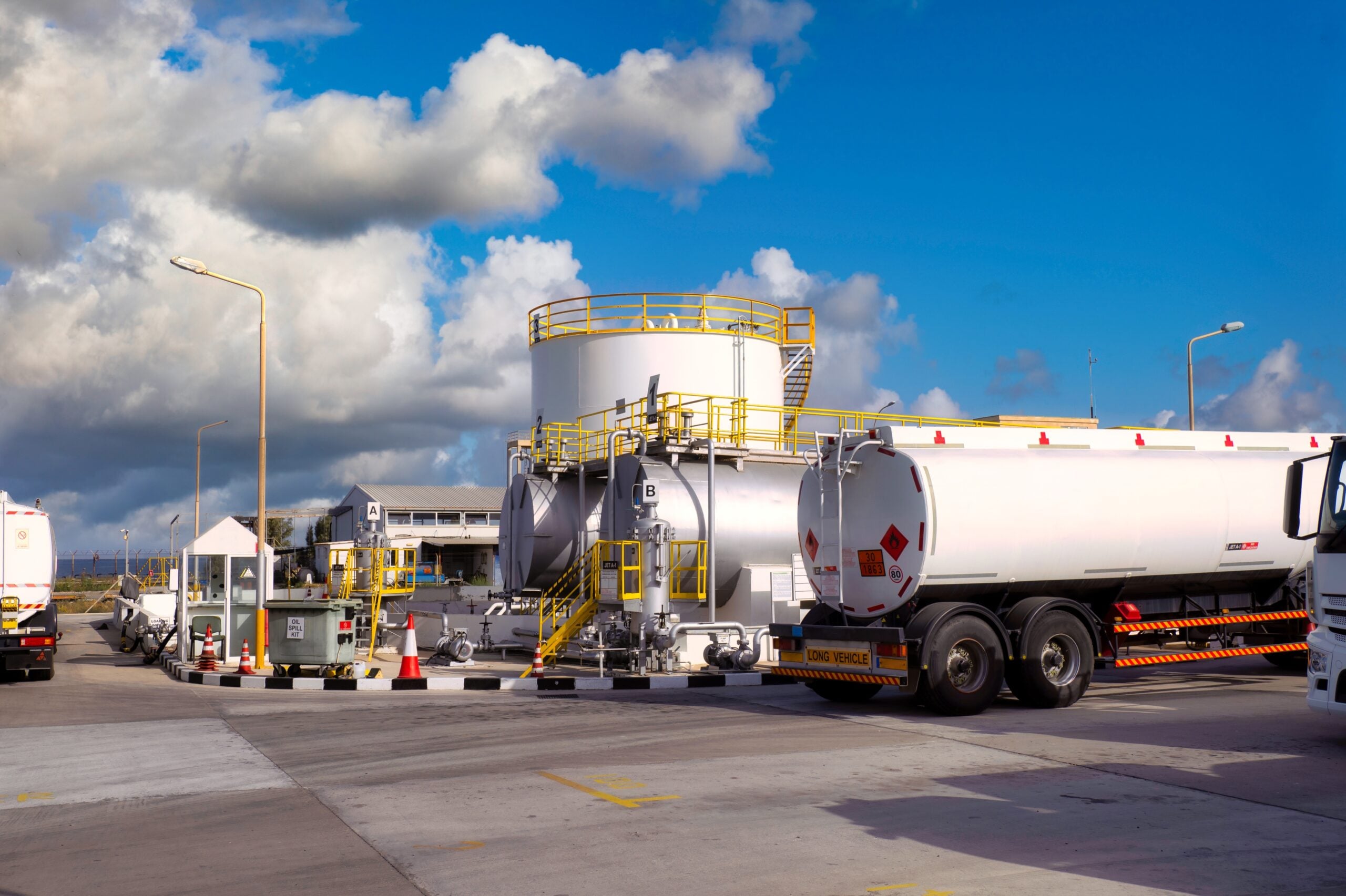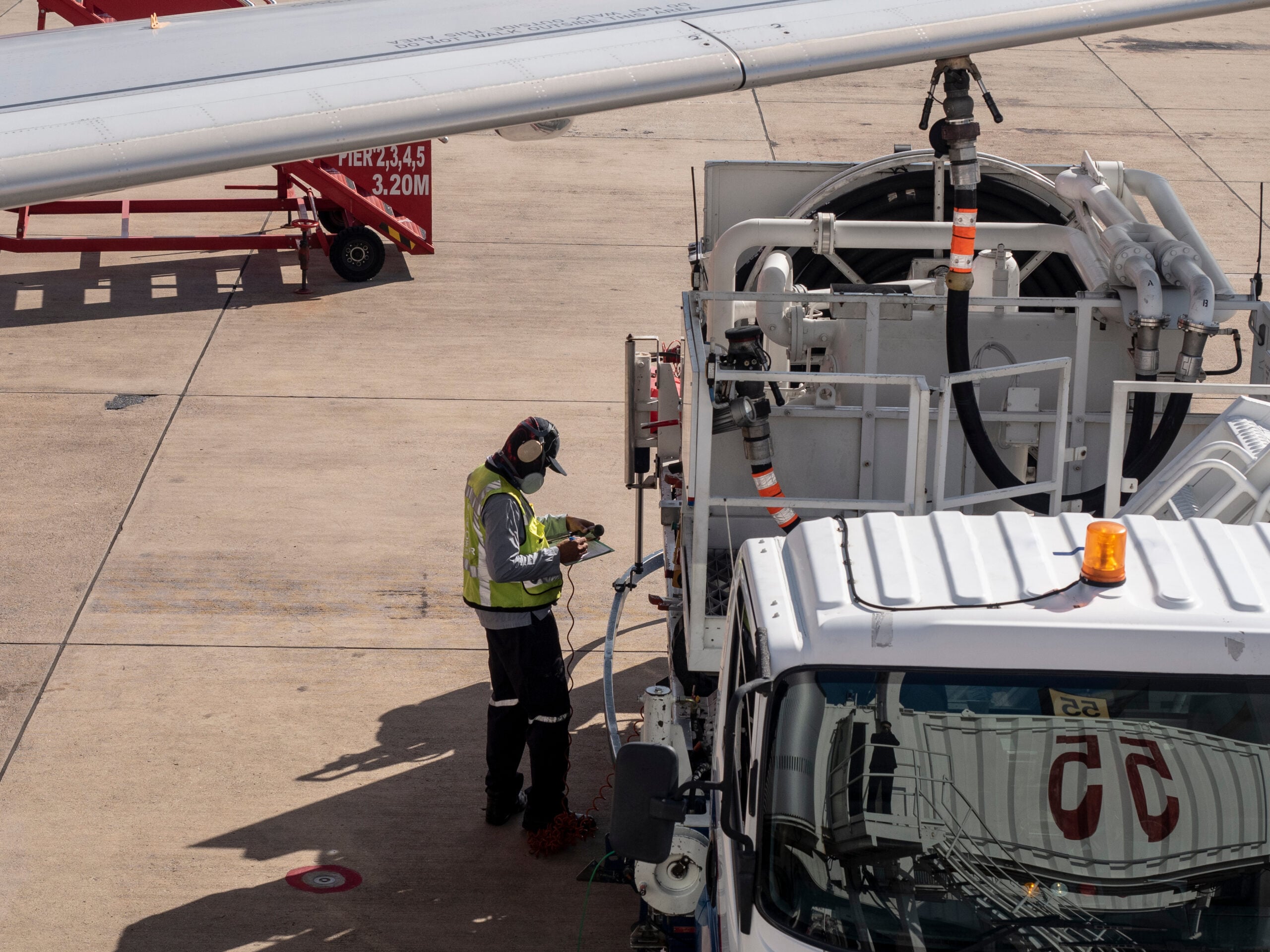
During a routine inspection of an aviation fuel tank farm, a World Fuel operations team noticed something unusual. A transfer pump was showing increasing vibration and intermittent fluctuations in discharge pressure. It was still operating within acceptable limits, and aircraft fueling had not been affected.
But the readings pointed to a developing problem.
Further inspection revealed significant bearing wear and mechanical deterioration. Because the team identified the warning signs early, it was able to verify the standby pump, arrange a planned outage, and complete repairs without disrupting aircraft fueling.
The incident illustrates a fundamental challenge in airport fuel infrastructure management: Equipment can still be working while the risk of failure is increasing.
For airport directors, fuel farm managers, and FBO operators, managing that risk means looking beyond whether equipment functions today. It requires understanding asset condition, recognizing early warning signs, and knowing what happens if a critical component becomes unavailable.
Why airport fuel infrastructure matters
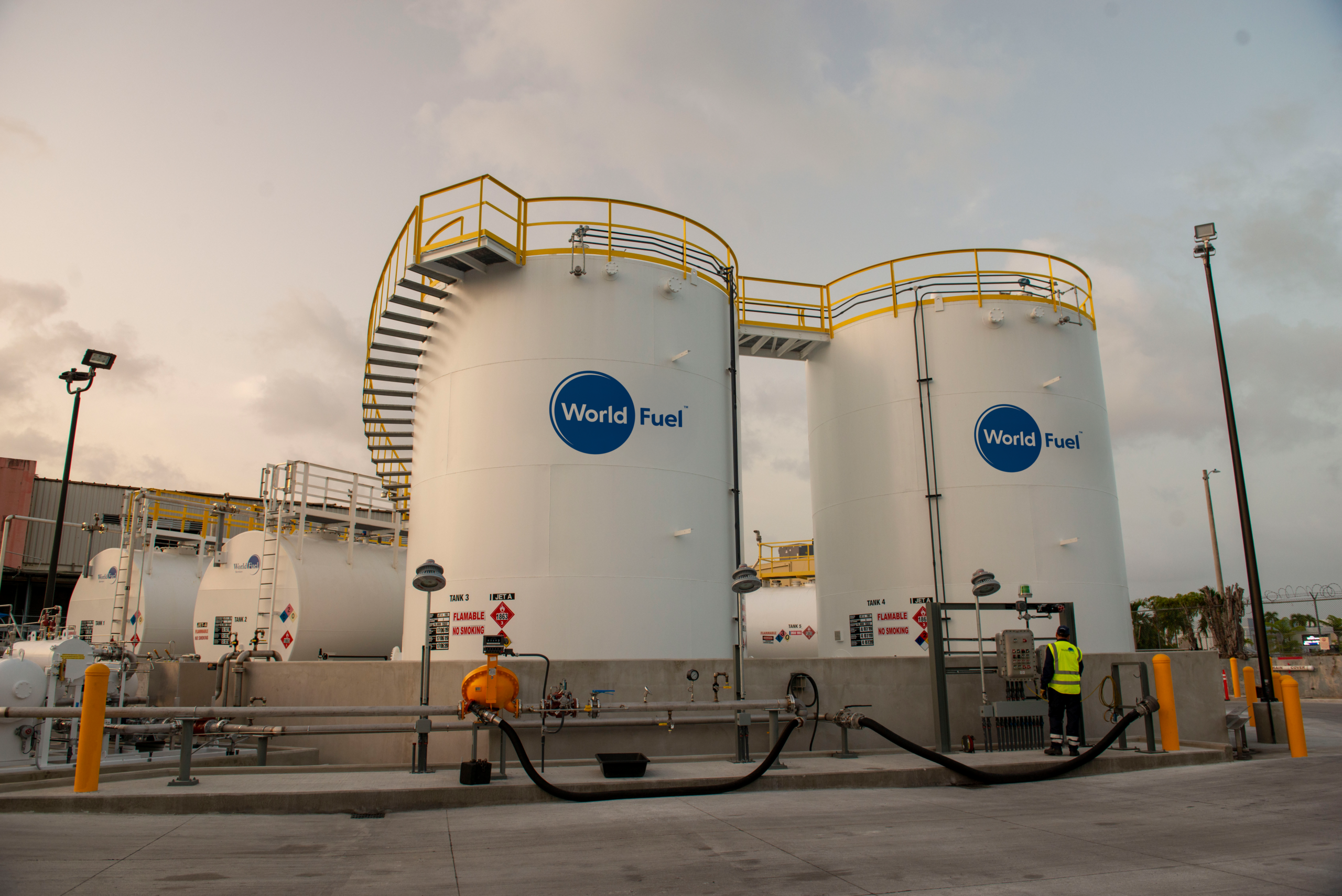
Aviation fueling systems are connected. Storage tanks, transfer pumps, filtration systems, meters, piping, refuelers, and controls must work together to support an airport’s fuel requirements, throughput, and operating schedule while meeting applicable safety and quality standards.
A problem in one component can affect the entire operation.
In the transfer-pump incident, the airport’s fuel supply remained uninterrupted because a standby pump was available. But that redundancy had limits. If the standby unit also developed a problem, the operation could have faced significant restrictions on fuel throughput during busy periods.
“The question should always be: If this equipment fails completely tomorrow, what does that mean for our ability to continue fuelling aircraft safely?” said Ian Cockwill, director of operations, UK and Ireland, GPO Aviation.
That question is more useful than simply asking how old an asset is. A well-maintained older pump with reliable backup capacity may present less immediate operational risk than a newer component with an uncertain maintenance history and no practical alternative if it fails.
The most common infrastructure risks facing airports
Infrastructure risk often develops gradually, with warning signs appearing well before equipment stops working.
Deferred maintenance. Equipment that continues to operate can create a false sense of security. Postponed inspections, servicing, or repairs may allow mechanical deterioration to progress until a planned maintenance task becomes an urgent operational problem.
Aging or mismatched infrastructure. Fuel systems designed for earlier operating requirements may no longer match current throughput, fuel grades, operating hours, or seasonal demand. Older assets may also require closer monitoring, additional maintenance, or replacement planning.
Unexpected failure and limited redundancy. A critical component without a reliable backup can become a single point of failure. Even when standby equipment exists, its condition and readiness must be verified.
Fuel quality risks. Equipment deterioration, filtration problems, and inadequate tank maintenance can introduce risks that extend beyond equipment availability to the quality of fuel delivered to aircraft.
Compliance and documentation gaps. Maintenance records, inspection findings, testing results, and operating procedures help demonstrate that equipment is being managed in accordance with applicable requirements. World Fuel’s aviation fueling operations follow applicable Joint Inspection Group (JIG) standards, supported by its global QHSE and technical teams.
Knowledge gaps. Airports and FBOs may have experienced maintenance personnel without the specialized aviation fueling expertise needed to identify developing fuel-quality problems or understand how an equipment defect could affect the wider fueling system.
The common issue is not necessarily that equipment is old or poorly maintained. It is that the operation may lack sufficient visibility into developing problems and their potential consequences.
How preventive airport fuel maintenance reduces operational risk
Preventive maintenance works best when scheduled servicing is combined with condition monitoring and an understanding of which assets are operationally critical.
The transfer-pump incident provides a practical example.
After detecting increasing vibration and pressure fluctuations, the team increased inspection frequency and monitored vibration, temperature, and pressure readings daily. It also verified the standby pump, reviewed emergency operating procedures, and confirmed that critical spare parts were available before taking the affected pump out of service.
The result was a controlled repair rather than an unexpected shutdown.
Effective fuel farm maintenance requires regular attention to storage tanks, pumps, filtration systems, meters, hoses, and associated equipment, with inspection frequency guided by operating conditions and applicable requirements.
Inspection records and operating trends should help identify changes in equipment condition before those changes affect reliability.
Fuel quality problems can begin with equipment condition
One of the less obvious infrastructure risks is the relationship between equipment maintenance and fuel quality.
“In my experience, many fuel quality issues don’t start with the fuel itself. They often originate from the condition of the equipment used to store, transport, and deliver it,” said Cockwill.
Filtration equipment is one area where maintenance problems can become fuel-quality concerns.
When filter water separators or monitor vessels are not inspected, maintained, or replaced at the appropriate intervals, their ability to remove water and contaminants can deteriorate.
Potential warning signs include:
- Increasing differential pressure readings
- Declining filtration performance
- Recurring water or particulate contamination findings during routine testing
- Increasing quantities of water detected during storage-tank inspections
- Unexpected increases in filter drain volumes
Water contamination can also be associated with poor tank housekeeping, damaged seals, defective floating suction systems, or water entering through vents and tank fittings.
These findings should not automatically be treated as isolated testing or housekeeping issues. Repeated water draws or changing filtration readings may indicate a developing equipment problem that requires further investigation.
Effective inspections, maintenance, and trend analysis help operators identify those conditions before they become more serious fuel-quality or operational concerns.
The role of technical expertise in fueling operations
General maintenance experience is valuable, but aviation fueling infrastructure requires an understanding of how equipment condition affects fuel quality, safety, compliance, and operational continuity.
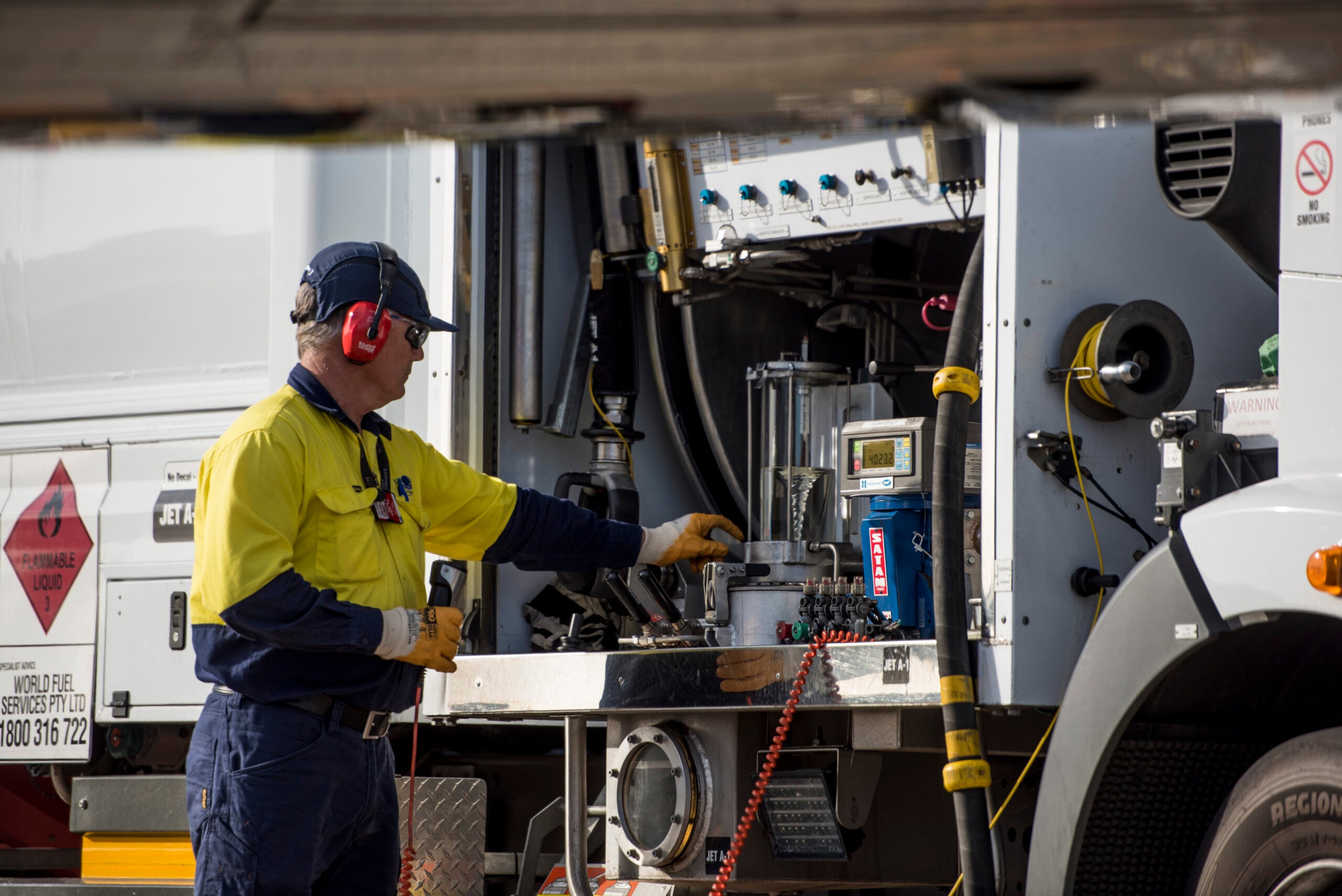
An experienced aviation fueling technician may recognize a developing filtration problem, assess tank and pipework condition from a fuel-quality perspective, or identify deterioration in hoses and seals that warrants closer attention.
Technicians also look for patterns across inspection records rather than treating each defect as an isolated event.
“Our technicians tend to look beyond whether an item of equipment simply operates. They look at how its condition could affect fuel quality, safety, compliance, and the resilience of the overall fueling system,” said Cockwill.
That broader view becomes especially important when evaluating recurring problems, planning equipment upgrades, or determining whether a functioning component represents an unacceptable single point of failure.
Depending on the location and project, World Fuel can support equipment assessments and coordinate appropriate specialist, manufacturer, or repair resources. Its engineering teams also provide technical guidance to operations.
What should an airport fuel infrastructure assessment include?
An infrastructure assessment should evaluate how the fueling system performs as a whole, not simply whether individual components are operational.
For airport and FBO managers, the assessment should help answer several practical questions:
- What is the current condition of our tanks, pumps, filtration systems, refuelers, and associated equipment?
- Which assets present the greatest operational risk, particularly where redundancy is limited?
- Are inspection and preventive maintenance schedules appropriate, and are findings documented and monitored?
- Are fuel-quality testing results revealing recurring equipment or maintenance concerns?
- Which repairs or equipment upgrades should be prioritized over the next five years?
- What technical resources are available when specialized expertise is required?
- Can fueling continue safely if a critical component becomes unavailable?
- Where can lifecycle costs be reduced without compromising safety or reliability?
The value of an assessment lies in turning those findings into priorities for maintenance, contingency planning, and future investment.
When should equipment be repaired, replaced, or modernized?
There is no single age at which aviation fueling equipment automatically needs replacement.
Decisions should consider condition, reliability, repair history, parts availability, operational importance, technical support, and expected future demand.
Repeated repairs may appear less expensive than replacement when each expense is evaluated separately. That calculation changes when equipment requires increasing attention, spare parts become difficult to obtain, or recurring failures threaten fueling capacity.
Lifecycle planning helps airports evaluate those costs and operational consequences together.
It can also identify opportunities to modernize equipment or improve the visibility of fueling operations.
For example, World Fuel’s equipment capabilities include jet fuel and avgas refuelers, electronic metering, and software integration. Its Connected Truck technology supports paperless fueling, digital data capture, and integration with FBO software.
While these technologies do not replace preventive maintenance, they can support more connected fueling workflows and operational visibility.
What good looks like in infrastructure management
A well-managed fueling operation should be able to identify its most critical assets, understand their condition, and explain how operations would continue if one became unavailable.
That requires several connected practices:
- Structured preventive maintenance, inspections, and fuel-quality testing
- Monitoring of equipment condition and operating trends
- Maintenance records that reveal recurring defects and developing problems
- Clear identification of critical assets and single points of failure
- Verified readiness of standby equipment and contingency resources
- Access to specialized aviation fueling technical expertise
- Repair, replacement, and modernization plans tied to operational requirements
- Ongoing attention to applicable safety, quality, and regulatory standards
The transfer-pump incident demonstrates how these practices work together.
The warning signs were detected through routine checks. Additional monitoring established the need for intervention. Contingency planning confirmed that fueling could continue, and the repair was completed during a planned outage.
No single action prevented the disruption. It was the combination of inspection, technical judgment, redundancy, and maintenance planning.
For airport leadership, that is the distinction between maintaining individual pieces of equipment and managing the reliability of the entire fueling operation.
How World Fuel supports airport fuel infrastructure performance
World Fuel supports airports and FBOs with aviation technical services, equipment expertise, and infrastructure-related support.
These capabilities include equipment and site inspections, online and on-site training, fuel-quality resources, and operational guidance.
For aviation fuel equipment, World Fuel programs include jet fuel and avgas refuelers, electronic metering, software integration, equipment specialists, manufacturer coordination and access to loaner equipment for qualifying repairs or special-event requirements.
When equipment issues arise, World Fuel can help assess requirements and coordinate appropriate specialist, manufacturer, or repair support. The delivery model depends on the location, equipment, and project scope.
For larger fuel farm and tank projects, available support can include financing, design, safety input, construction coordination and supply-chain planning, depending on geography and project requirements.
Infrastructure reliability is also closely connected to fuel supply planning. Even when adequate fuel is available, equipment limitations or unexpected outages can affect an airport’s ability to receive, store, or deliver it.
The objective is to help airports evaluate equipment and infrastructure decisions in the context of their actual fueling requirements, operational risks, and longer-term investment plans.
For an airport reviewing its infrastructure, a useful starting point is to document existing equipment, fuel grades, historical and expected volumes, storage capacity, operating hours, seasonal demand, maintenance history, and known limitations.
That provides a practical basis for identifying which risks require immediate attention and which should be incorporated into longer-term infrastructure planning.
Discover more
Article | November 13, 2026
How regional airports can improve Jet A-1 supply reliability

Article | October 26, 2026
World Fuel | Universal Trip Support wins fourth consecutive AsBAA trip support award

Article | August 12, 2026
Haneda (RJTT) introducing pilot-based access restrictions

Article | July 07, 2026
2026 Belgian Grand Prix: Business aviation planning considerations