
SAF
Turn your SAF needs into a workable plan. Since 2015, World Fuel has supplied SAF across our aviation fuel network. Many World Fuel FBOs maintain SAF supply. We can help you align a supply plan with your location, and routing.
SAF supply built around your operation
Physical SAF supply must work at the airport, within the required timeframe, and under the right commercial and documentation structure.
No two SAF requirements are alike. Airport infrastructure, available supply, delivery timing, and reporting obligations all influence the right solution. World Fuel works with you to determine the most practical path, from physical fuel delivery to Book and Claim (SAFc) programs, helping you access SAF with confidence.
Turn SAF requirements into a deliverable plan
- Confirm whether physical supply can support the required airport, volume, blend, and delivery period.
- Understand the complete commercial structure, including pricing basis, credit requirements, logistics costs, and agreement terms.
- Integrate SAF purchasing with existing fuel contracts, operating processes, and internal approval route.
- Establish the product, certification, chain-of-custody, and transaction records the purchase must support.
- Align procurement, finance, and flight operations before implementation begins.
- Evaluate Book and Claim (SAFc) separately when physical delivery does not match the operating requirement.
SAF basics
From neat SAF to aircraft-ready fuel
Approved blending and certification make SAF usable as specification-compliant jet fuel.
Neat SAF is produced through approved pathways under ASTM D7566. Before aircraft use, it is blended with conventional jet fuel within the limit approved for that pathway and recertified to the applicable conventional jet fuel specification, such as ASTM D1655. The certified blend can then be used as a drop-in fuel in aircraft and engines approved for Jet A or Jet A-1. Lifecycle results vary by feedstock, pathway, blend, and logistics, and SAF does not make a flight carbon-free.
Fuel strategy
Make SAF part of the fuel strategy
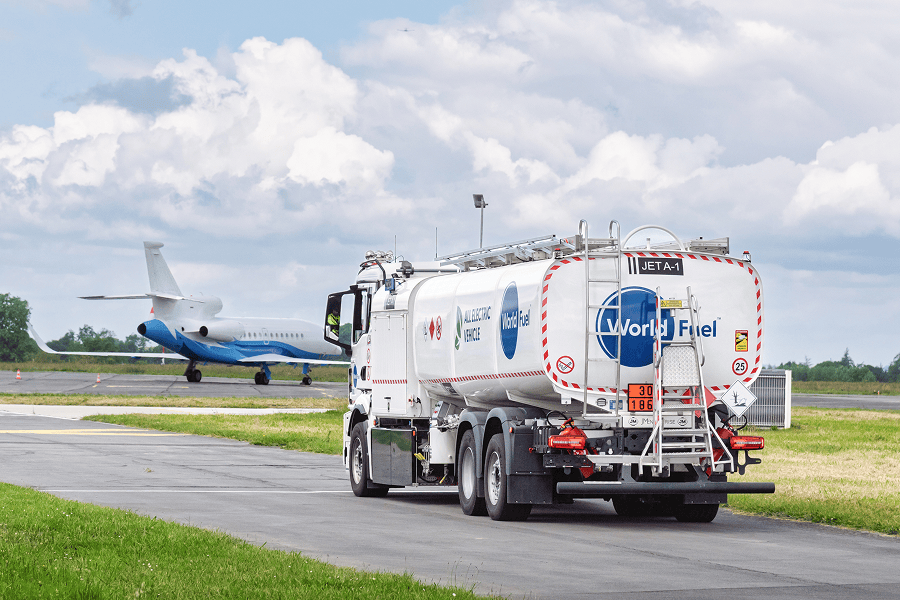
Define the operating and commercial requirements before the search for supply begins.
Begin with the airports or routes, expected volume, delivery period, current fuel program, purchasing entity, and required documentation. These inputs define the physical supply route and the supplier capacity, logistics, credit, certification, and delivery arrangements required to support it. Depending on the operating and commercial need, SAF may be incorporated into an existing fuel program or managed under a separate agreement. Since 2015, World Fuel has delivered more than 120 million gallons of SAF to business and commercial aviation customers worldwide.
Build the right SAF procurement route
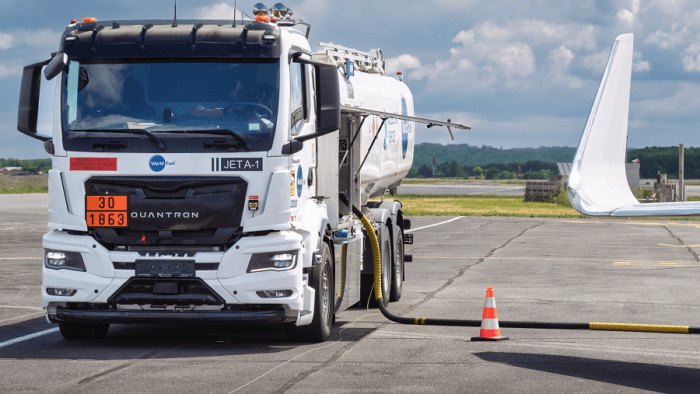
Work through the decisions that determine whether SAF can be sourced, contracted, documented, and delivered for the intended operation.
Start with the airport and operating need
Determine whether current physical supply, infrastructure, supplier capacity, and commercial terms can support the required airport, volume, blend, and delivery period.

Put the commercial model around the supply
Establish the delivery points, forecast volume, agreement term, price basis, credit structure, logistics responsibilities, and documentation needed to support the purchase.

Carry supply through to airport delivery
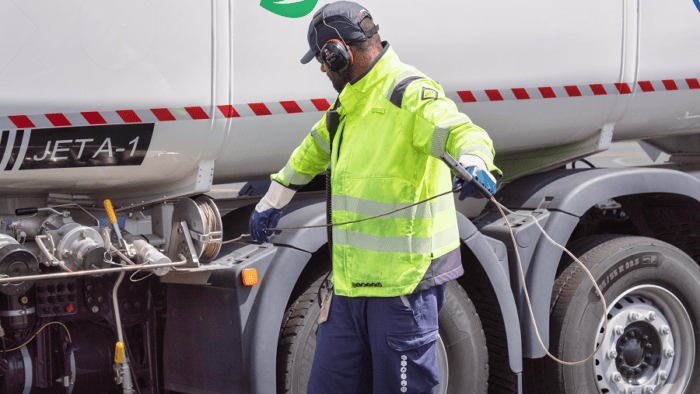
World Fuel lists SAF distribution relationships with World Energy, Valero, and Neste in the United States and Europe. The applicable route depends on the location, available supply, and transaction requirements.

Establish the evidence behind the transaction
World Fuel’s RSB and ISCC certifications cover specified renewable fuel activities. Each purchase requires confirmation of the applicable scheme, geography, chain-of-custody process, and customer ocumentation.
Consider an alternative to physical delivery
Book and Claim (SAFc) may offer a separate route when physical delivery is unavailable or impractical. Eligibility, documentation, attribute ownership, and claims requirements must be evaluated independently.
Why World Fuel
A defined SAF requirement must align supply, commercial, credit, certification, logistics, and airport- level delivery before the purchase can move forward. World Fuel brings those requirements together to support a transaction that can be contracted, documented, and delivered at the intended airport. When you need fuel, we’ll always find a way to be there, with reliability you can count on, locally and globally.
Review World Fuel’s published certification details when evaluating the traceability and documentation requirements for an applicable SAF transaction.
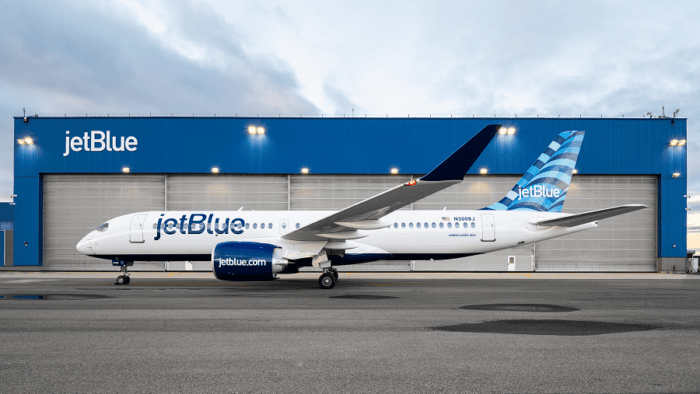
See how World Fuel, JetBlue, and Valero aligned producer, distributor, customer, and airport requirements for a location-specific blended SAF supply agreement at John F. Kennedy International Airport.
SAF frequently asked questions
Get clear answers to the operational, commercial, and documentation questions that shape a workable SAF purchase.
Physical SAF availability is specific to the airport and transaction. Share the required location, volume, blend, and delivery period so current supply, infrastructure, supplier capacity, and commercial terms can be assessed.
SAF pricing reflects the location, feedstock and pathway, blend, available supply, volume, delivery timing, logistics, certification, and contract structure. The available commercial options can be evaluated against the defined operating requirement.
Available documentation depends on the product, supplier, certification scheme, delivery model, and intended use. Depending on the transaction, it may include product specification, delivery, chain-of-custody, and certification-related records.
AF via Book and Claim may provide a separate route for eligible activity when physical delivery is unavailable or impractical. Program rules, attribute ownership, documentation, reporting treatment, and availability must be reviewed independently.
Define the intended reporting use before purchase. Physical SAF and SAF via Book and Claim may support different operational or reporting needs, and the resulting claims depend on the product, certification, documentation, and applicable program rules
Discuss your SAF requirements
Define the operating and commercial requirement before the supply search begins.
Share where SAF is needed, the expected volume and timing, your current fuel procurement model, and the documentation the transaction must support. World Fuel SAF specialists can assess potential.
physical supply routes and identify the supplier, logistics, credit, certification, and commercial requirements that must be resolved before implementation.
Learn more about our services
Explore related products, solutions, and services to help meet your business needs.