Energy Price Risk Management and Market Intelligence

Protect your energy budget from market volatility with market intelligence, pricing strategies, and energy price risk management support aligned with your business objectives and risk appetite.
Navigate energy market volatility with greater confidence
Energy markets can move quickly, but your organization’s response should be guided by defined objectives rather than short-term market movements.
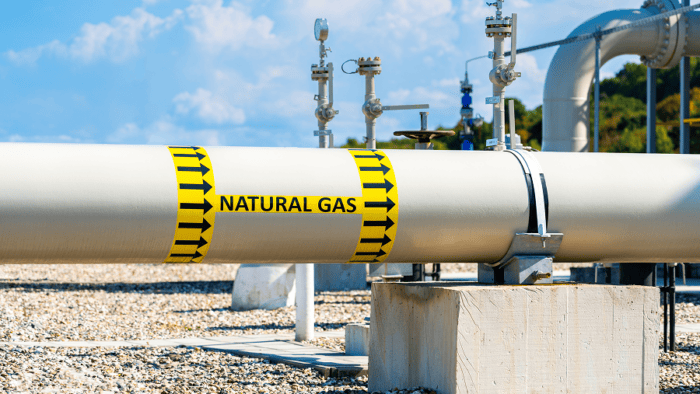
World Fuel helps organizations source and manage essential power and natural gas, strengthening cost control and mitigating operational and market risk. We combine timely energy market intelligence with procurement expertise and structured price risk management to help you understand exposure, compare pricing approaches, and make more informed purchasing decisions.
The process begins with your budget requirements, consumption profile, contract position, operational needs, and risk appetite. These inputs provide the basis for an energy pricing strategy designed to improve control and budget predictability without claiming to remove risk or predict future market direction.
Why energy price risk management matters
- Improve budget control by defining how much price exposure your organization is prepared to accept.
- Make more informed purchasing decisions using current energy market intelligence and expert analysis.
- Align pricing strategies with financial objectives, operating requirements, and risk appetite.
- Reduce reliance on a single purchase date by evaluating staged or layered purchasing approaches.
- Give procurement, finance, and operations teams a shared framework for reviewing market decisions.
- Reduce the internal burden of continuously monitoring complex energy markets.
Market exposure
Understand your energy market risk
Start with the exposure already built into your contracts, consumption, and purchasing approach.
Energy price risk is not limited to whether wholesale prices rise or fall. Exposure may also be shaped by contract structure, purchasing dates, consumption variability, regional market conditions, and the proportion of demand left on fixed, indexed, or market-based pricing.
World Fuel reviews your current contracts, expected demand, budget requirements, renewal schedule, and tolerance for price movement. This creates a clearer view of where uncertainty sits within your energy portfolio and whether your existing approach supports your financial and operational priorities.
No pricing structure removes every form of energy market risk. The objective is to understand the trade-offs and manage exposure within an agreed framework.
Market intelligence
Turn energy market analysis into procurement decisions

Use market insight to evaluate conditions, timing, and available pricing approaches.
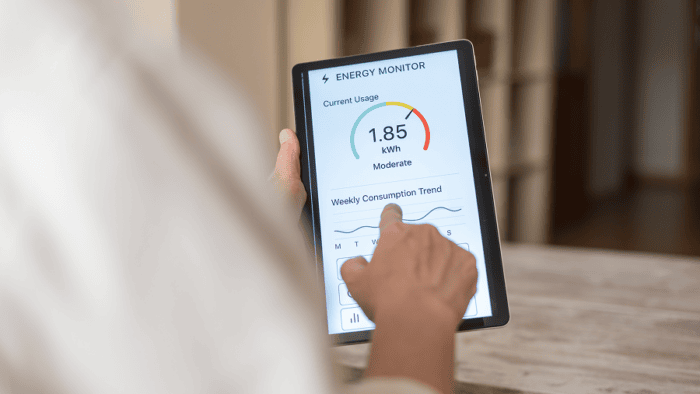
Energy markets are influenced by supply and demand, weather, storage levels, infrastructure constraints, regulatory developments, and geopolitical events. Market intelligence helps explain these forces and their potential implications, but it does not make future prices certain.
Our energy specialists monitor relevant conditions and provide analysis to support power procurement planning and pricing decisions. Depending on the agreed service scope, this may include market updates, historical analysis, pricing context, energy forecasting, and ongoing decision support.
The purpose is to help your team evaluate available information within the context of your contracts, budget, and risk framework rather than react to isolated price movements.
Develop an energy pricing strategy aligned with your business

Connect market information with your financial priorities, procurement plans, and tolerance for energy volatility.
Assess your current position
Review expected consumption, existing contracts, renewal dates, pricing structures, purchasing decisions, and uncommitted demand. This baseline identifies which costs have been secured and which remain exposed to market movement.

Define objectives and risk appetite
Clarify how budget certainty, market participation, operating flexibility, and internal governance should shape the strategy. This establishes how much price movement the organization is prepared to manage.

Evaluate pricing approaches
Compare the trade-offs among fixed, indexed, layered, and hybrid approaches. Other hedging structures may be available depending on the commodity, market, jurisdiction, customer eligibility, and agreed service scope.

Establish decision rules
Define purchasing periods, approval responsibilities, volume thresholds, market decision points, and reporting requirements. This creates a more repeatable basis for action.

Monitor and adjust
Consumption, operations, contracts, budgets, and market conditions can change. Ongoing monitoring and decision support help determine whether the strategy remains aligned with agreed objectives.

Market intelligence and practical energy resources
Use current analysis and energy procurement guidance to support internal discussions about volatility, pricing, and energy risk.
Review the forces shaping natural gas, electricity, and energy policy, and consider their relevance to your power procurement strategy.
Explore the forces shaping U.S. natural gas prices, including domestic supply and storage, global liquefied natural gas demand, and geopolitical and weather-related risks. The summary also covers procurement strategies for managing volatility, improving cost visibility, and strengthening supply resilience.
Assess your current contract structure, price-risk position, consumption profile, supply resilience, and procurement approach.
See how a structured procurement approach supported energy decision-making, cost control, and ongoing market understanding.
Energy price risk management FAQs
Energy price risk management is a structured approach to understanding and managing exposure to changing energy prices. It considers expected consumption, existing contracts, purchasing timing, pricing structures, budget requirements, and organizational risk appetite. The objective is not to eliminate all market risk or predict future prices. It is to establish an agreed framework for making energy purchasing decisions.
Hedging can reduce exposure to specific price movements for an agreed volume and period. Available approaches may include fixed pricing, layered purchases, hybrid structures, or other physical or financial arrangements. Each approach has different commercial, accounting, legal, and risk implications. Availability and suitability depend on the commodity, customer, jurisdiction, market, contract structure, and agreed service scope.
Market intelligence provides context around the factors influencing energy prices, including supply, demand, weather, storage, infrastructure, regulation, and geopolitical events. It can help teams evaluate pricing approaches, procurement timing, budget exposure, and contract decisions. It should support a defined risk strategy rather than be treated as a guarantee of future market direction.
Speak with an energy risk management specialist
Discuss your current contracts, price exposure, budget requirements, risk appetite, and procurement timeline with World Fuel’s energy team.
Learn more about our services
Explore related products, solutions, and services to help meet your business needs.